2024-05-08 カリフォルニア大学サンディエゴ校(UCSD)
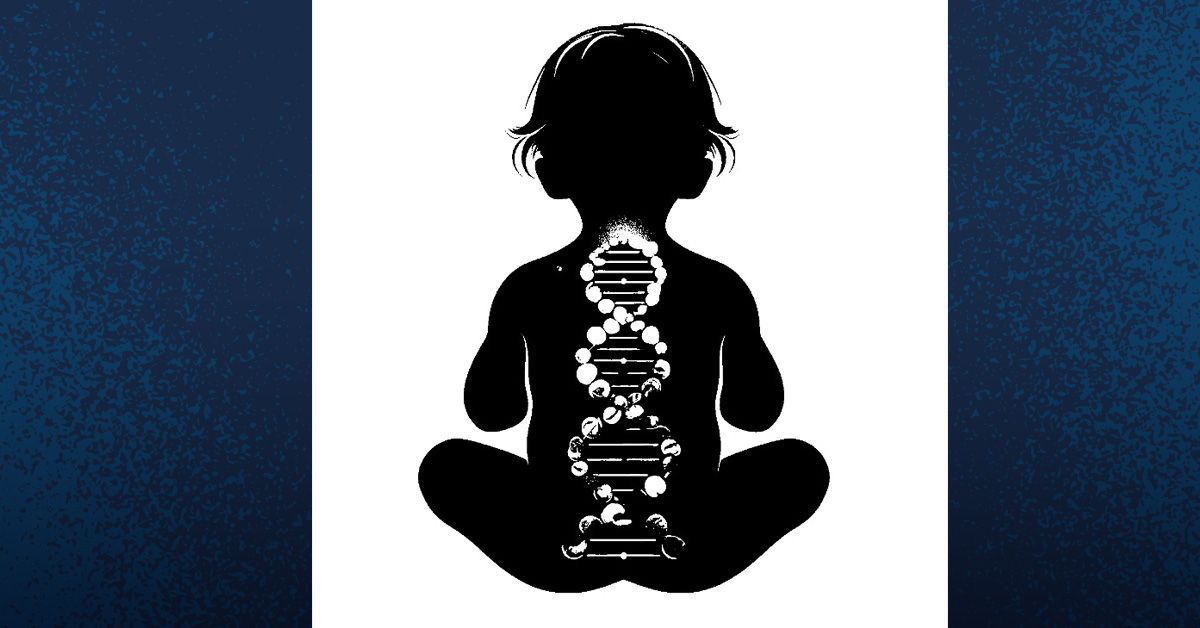 The causes of spina bifida, in which the spinal cord doesn’t develop properly, are unknown. A newly released study demonstrates a link between a chromosomal deletion and the risk of a baby being born with spina bifida. Photo credit: Jevtic/iStock
<関連情報>
- https://today.ucsd.edu/story/new-insight-into-genesis-of-spina-bifida
- https://www.science.org/doi/10.1126/science.adl1624
一般的な22q11.2欠失が介在する髄膜瘤のリスク Risk of meningomyelocele mediated by the common 22q11.2 deletion
KENG IOI VONG, SANGMOON LEE, KIT SING AU, T. BLAINE CROWLEY, […], AND JOSEPH G. GLEESON
Science Published:2 May 2024
DOI:https://doi.org/10.1126/science.adl1624
Editor’s summary
Meningomyelocele is a severe type of spina bifida, and it is also the most common type. Although its incidence has decreased in recent decades after many countries introduced folate supplementation into staple foods, meningomyelocele remains a challenge in many parts of the world. Moreover, dietary fortification with folate is not always effective, and some medications and medical conditions can also affect disease risk, as can genetic predisposition. To study meningomyelocele genetics, Vong et al. established the large, multinational Spina Bifida Sequencing Consortium. Based on data from this consortium, the authors identified chromosomal 22q11.2 deletions that greatly increase the risk of meningomyelocele and then showed how the loss of a specific gene on this chromosome can alter neural tube development. —Yevgeniya Nusinovich
Abstract
Meningomyelocele is one of the most severe forms of neural tube defects (NTDs) and the most frequent structural birth defect of the central nervous system. We assembled the Spina Bifida Sequencing Consortium to identify causes. Exome and genome sequencing of 715 parent-offspring trios identified six patients with chromosomal 22q11.2 deletions, suggesting a 23-fold increased risk compared with the general population. Furthermore, analysis of a separate 22q11.2 deletion cohort suggested a 12- to 15-fold increased NTD risk of meningomyelocele. The loss of Crkl, one of several neural tube–expressed genes within the minimal deletion interval, was sufficient to replicate NTDs in mice, where both penetrance and expressivity were exacerbated by maternal folate deficiency. Thus, the common 22q11.2 deletion confers substantial meningomyelocele risk, which is partially alleviated by folate supplementation.