
2025-10-10 カロリンスカ研究所(KI)
Web要約 の発言:
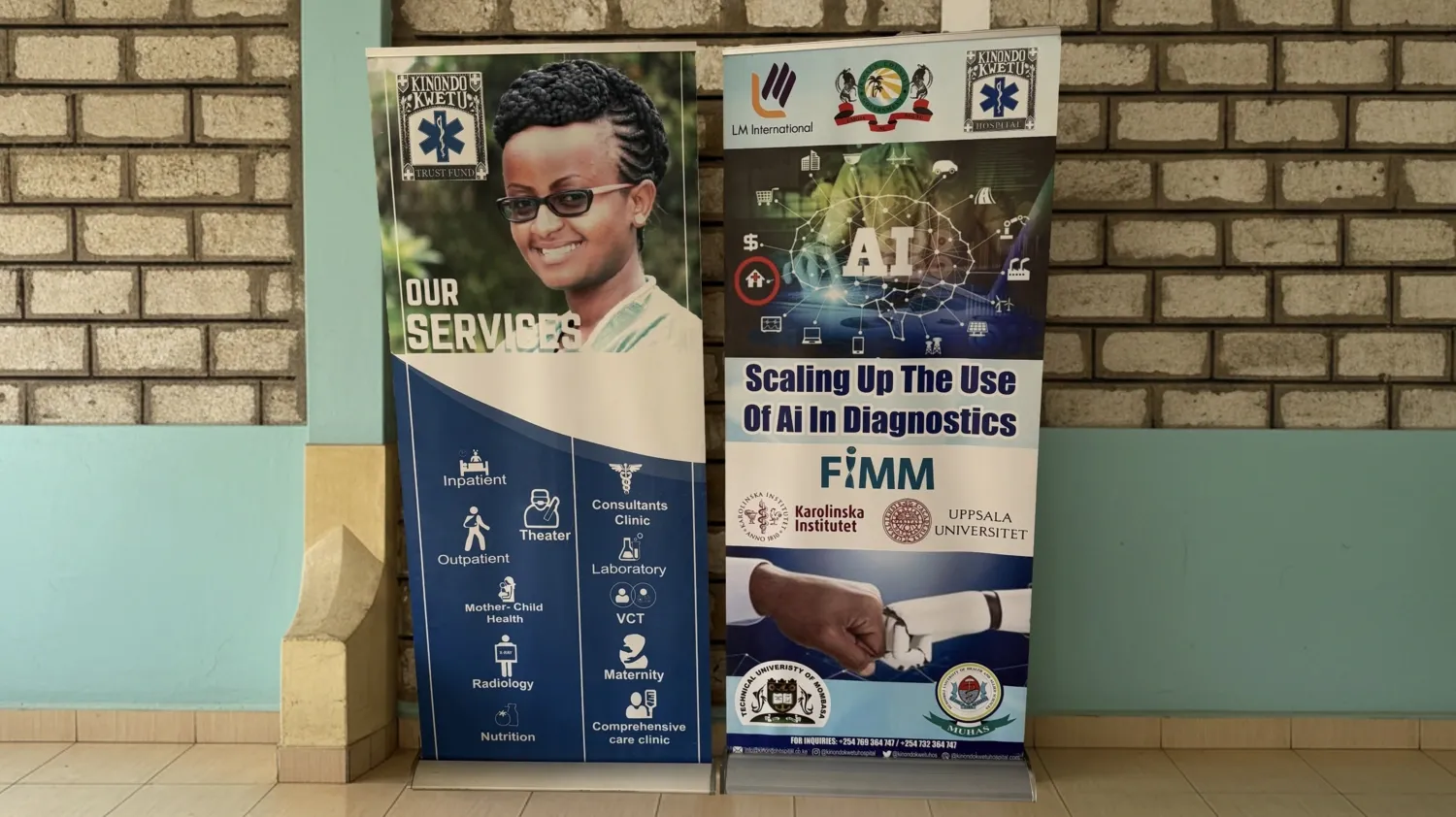
AI can increase access to life-saving diagnostics for women, according to a new study conducted in collaboration with researchers in Kenya and Tanzania. Photo: Johan Lundin
<関連情報>
- https://news.ki.se/ai-can-improve-cervical-cancer-screening-in-low-resource-settings
- https://www.bmj.com/content/391/bmj-2025-086009
AI supported diagnostic innovations for impact in global women’s health
Nina Linder, medical doctor professor;Dinnah Nyirenda, medical doctor;Andreas Mårtensson, medical doctor; professor,Harrison Kaingu, chief executive officer;Billy Ngasala, medical doctor, professor;Johan Lundin, medical doctor, professor
The BMJ Published: 10 October 2025
DOI:https://doi.org/10.1136/bmj-2025-086009
Screening and diagnostic methods are essential for secondary prevention, early detection, and appropriate treatment across a range of women’s health conditions. Cervical cancer provides a compelling example of how screening and timely diagnosis can substantially improve outcomes and drastically reduce mortality, while also reflecting how women’s health priorities have historically been underfunded and under-innovated, especially in low and middle income countries (LMICs). The disease is considered preventable through human papillomavirus (HPV) vaccination and various screening modalities, but there has been limited investment in novel diagnostic tools, and inequities in access to evidence based, cost effective screening prevail, particularly in low resource settings.1 2 Cervical cancer screening ever in lifetime among women aged 30-49 years, for example, was reported to be 84% in high income countries and 11% in low income countries.1

