2025-12-15 九州大学
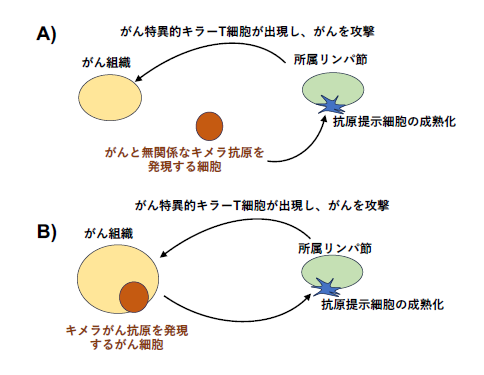
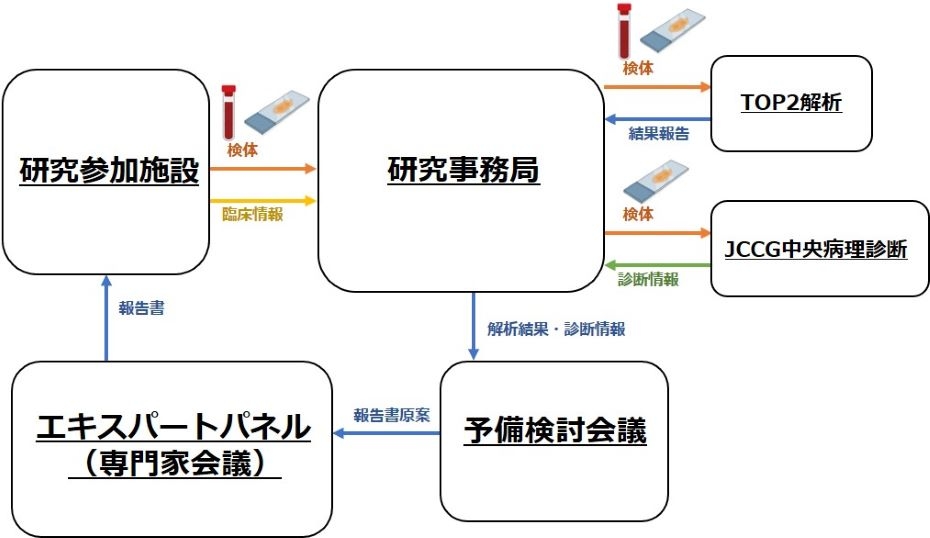
図1 本研究成果の概要
<関連情報>
- https://www.kyushu-u.ac.jp/ja/researches/view/1382
- https://www.kyushu-u.ac.jp/f/64196/25_1215_01.pdf
- https://www.sciencedirect.com/science/article/pii/S1385894725120020
トラウストキトリドにおける遺伝子導入フリーのタンパク質ベースのゲノム編集により、長鎖多価不飽和脂肪酸プロファイルのカスタマイズ可能な調節が可能 Transgene-free protein-based genome editing in thraustochytrids enables customizable modulation of long-chain polyunsaturated fatty acid profiles
Yohei Ishibashi, Ryuji Tanimura, Yusuke Ataka, Akito Kumagai, Daiske Honda, Makoto Ito, Nozomu Okino
Chemical Engineering Journal Available online: 28 November 2025
DOI:https://doi.org/10.1016/j.cej.2025.171156
Highlights
- We established a transgene-free genome editing platform applicable to three distinct genera of thraustochytrids.
- Targeted genome editing enabled modulation of LC-PUFA profiles of Parietichytrium.
- The genome-edited strain showed high productivity of the target LC-PUFAs without significantly impaired growth.
Abstract
Long-chain polyunsaturated fatty acids (LC-PUFAs), such as docosahexaenoic acid (DHA) and eicosapentaenoic acid (EPA), are essential lipids with significant health benefits. The functional properties of LC-PUFAs are influenced by carbon chain length, degree of unsaturation, and the position of unsaturated bonds within the molecule. Parietichytrium, a genus of the thraustochytrids, is a marine oleaginous microorganism that possesses a complete set of elongase (ELO) and desaturase (DES) genes required for DHA biosynthesis. Targeted disruption of specific ELO or DES genes using heterologous antibiotic resistance markers enabled modulation of the DHA biosynthetic pathway, thereby facilitating the production of structurally diverse LC-PUFAs. In this study, we developed a transgene-free CRISPR-Cas9 genome editing platform utilizing ribonucleoprotein (RNP) complex, applicable to three phylogenetically distinct thraustochytrid genera: Aurantiochytrium limacinum ATCC MYA-1381, Thraustochytrium aureum ATCC 34304, and Parietichytrium sarkarianum SEK364. We applied it to disrupt three key genes, Δ4DES, C20ELO, and Δ5DES, involved in DHA biosynthesis of P. sarkarianum SEK364. Δ4DES disruption abolished DHA and n-6 docosapentaenoic acid (n-6DPA) production, resulting in the accumulation of n-3DPA and docosatetraenoic acid (DTA). C20ELO deletion led to predominant accumulation of EPA and arachidonic acid (ARA). Notably, the Δ5DES KO strain exhibited significant accumulation of eicosatetraenoic acid (ETA) and dihomo-γ-linolenic acid (DGLA). Optimization of culture conditions further enhanced their production without growth defects. These findings demonstrate the feasibility of RNP-mediated genome editing in thraustochytrids and highlight the potential of genome-edited Parietichytrium strains as versatile, transgene-free platforms for the tailored biosynthesis of diverse LC-PUFAs.