
2026-03-17 テキサス大学オースチン校(UT Austin)
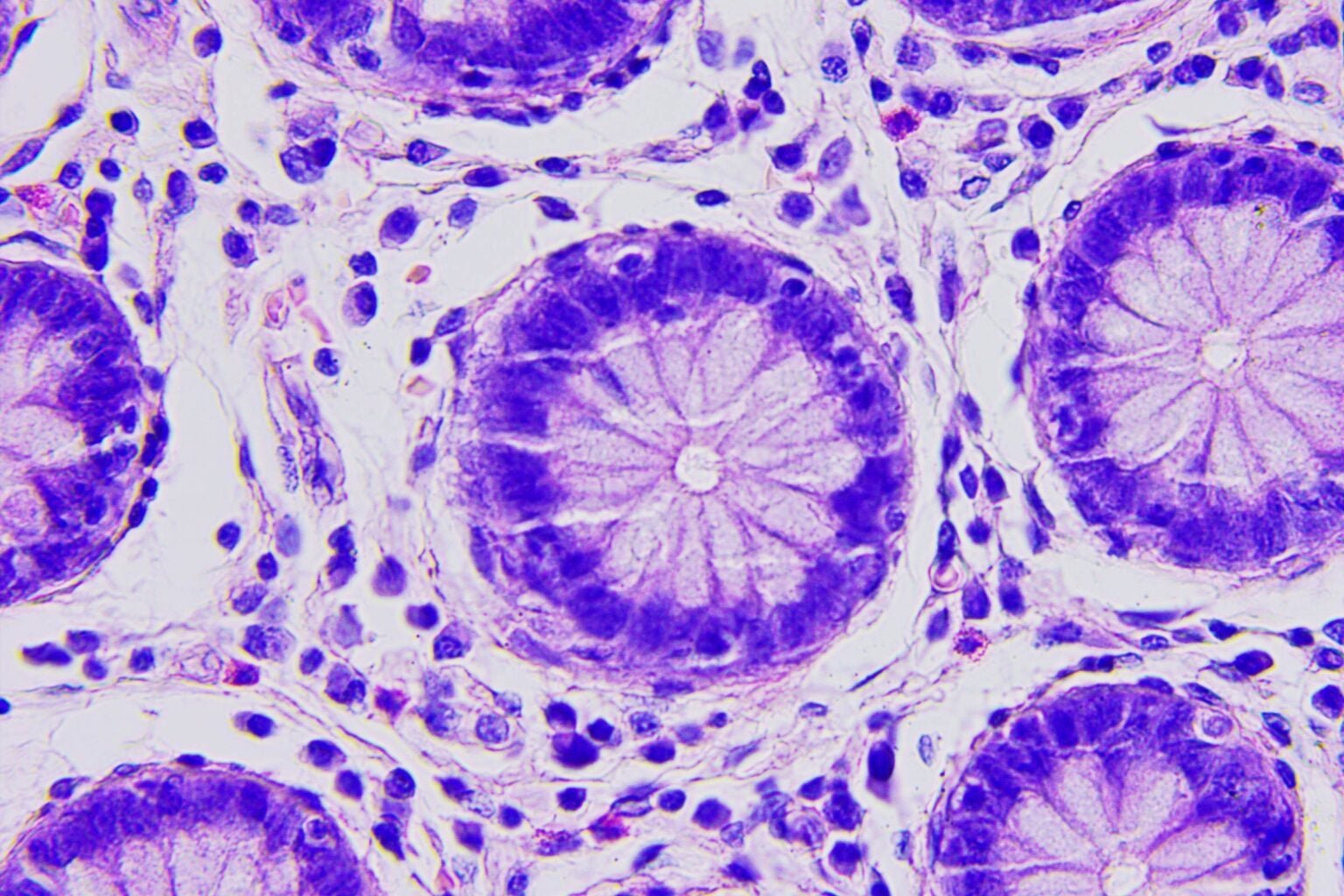
Colon cancer cells under a microscope.
<関連情報>
- https://news.utexas.edu/2026/03/17/experimental-chemo-drug-may-trick-the-immune-system-into-fighting-cancer/
- https://www.pnas.org/doi/10.1073/pnas.2537547123
ウイルスの模倣は免疫原性細胞死を説明するのに役立つ可能性がある Viral mimicry may help explain immunogenic cell death
Matthew S. Levine, Jiexi Li, Lauren I. R. Ehrlich, +2 , and Jonathan L. Sessler
Proceedings of the National Academy of Sciences Published:March 11, 2026
DOI:https://doi.org/10.1073/pnas.2537547123
Significance
It has long been observed that cancer patients respond differently to the same cytotoxic chemotherapeutic agent. We are proposing here that cytotoxicity-induced viral mimicry contributes to so-called immunogenic cell death and could represent an underappreciated determinant of patient outcome associated with cancer chemotherapy. Viral mimicry as a proposed mechanism of action thus bridges the gap between cytotoxicity and the innate and adaptive immune responses.
Abstract
Viral mimicry may be an underappreciated contributor to chemotherapeutic potency in animal models and patients. This hypothesis is based on studies of a bis-Au(I)-NHC complex that was found to generate a strong anti-tumor immune response in vivo in two different challenge studies using an iKAP colorectal cancer mouse model. RNA profiling of treated cells revealed the stimulation of genes that overlap with those upregulated during a viral infection. The bis-Au(I)-NHC complex generates reactive oxygen species (ROS) through the simultaneous redox cycling of the naphthoquinone moiety and inhibition of thioredoxin reductase with Au(I). This ROS increase causes endoplasmic reticulum stress, activation of the unfolded protein response pathway and upregulation of Ifih1, a gene that encodes for the viral dsRNA sensor MDA5. Activation of MDA5 triggers a strong type I interferon response and expression of chemokine ligand 10 that can recruit immune cells to the treated tumor in a manner analogous to immune responses during viral infection. This proposed mechanism bridges the gap between cytotoxicity and the innate and adaptive immune responses. We suggest viral mimicry may be a key driver of chemotherapy potency in animals and an important determinant of positive outcomes in cancer patients.

