2026-06-04 スタンフォード大学
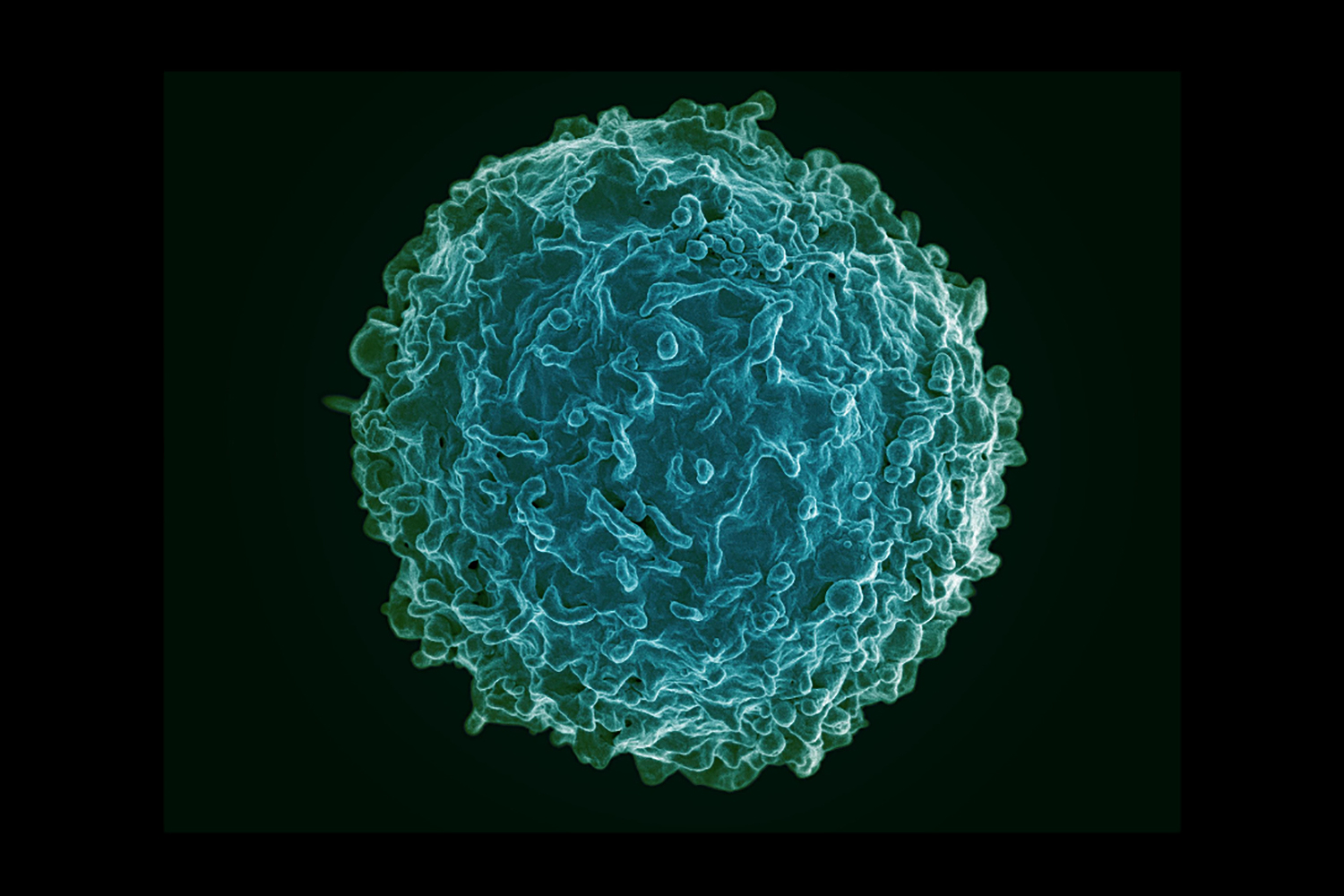
In IgG4-related disease, B cells (above) attack the body’s own tissue. A study led by Stanford Medicine reveals that a new drug can modulate B cell activity to significantly reduce the likelihood of relapse. | National Institutes of Health
<関連情報>
- https://news.stanford.edu/stories/2026/06/igg4-related-disease-relapse-risk-research-obexelimab
- https://www.nejm.org/doi/full/10.1056/NEJMoa2601337
IgG4関連疾患の治療薬としてのオベキシリマブ Obexelimab for the Treatment of IgG4-Related Disease
Emanuel Della-Torre, M.D., Ph.D., Matthew C. Baker, M.D., Wen Zhang, M.D., Ph.D., Cory A. Perugino, D.O., Guy Katz, M.D., Yoshiya Tanaka, M.D., Ph.D. , Arezou Khosroshahi, M.D., +27 , for the INDIGO Trial Investigators
New England Journal of Medicine Published: June 2, 2026
DOI: 10.1056/NEJMoa2601337
Abstract
Background
IgG4-related disease is a chronic fibroinflammatory condition that can affect virtually any organ system. Glucocorticoid agents are a cornerstone of therapy but are limited by toxic effects, and relapse is common after discontinuation. Obexelimab is a bifunctional monoclonal antibody that inhibits B-cell activity through coengagement of CD19 and FcγRIIb without inducing B-cell depletion.
Methods
In this phase 3, double-blind, randomized, placebo-controlled trial, patients with active IgG4-related disease received subcutaneous obexelimab at a dose of 250 mg or placebo once weekly for 52 weeks. For patients in both groups, glucocorticoids were tapered in a standardized schedule to discontinuation at week 8. The primary end point was the time to the first flare of IgG4-related disease for which rescue therapy was required, as determined by both the investigator and the independent adjudication committee. Key secondary end points included complete remission at week 52 and the cumulative dose of glucocorticoid rescue therapy through week 52.
Results
From January 2023 through November 2024, a total of 194 patients underwent randomization (with 97 assigned to each group). The time to the first disease flare that required rescue therapy was significantly longer with obexelimab than with placebo (hazard ratio, 0.44; 95% confidence interval, 0.28 to 0.71; P<0.001); flares were reported in 26 patients (26.8%) in the obexelimab group and in 53 patients (54.6%) in the placebo group. Obexelimab showed a significant benefit over placebo with respect to all the key secondary end points, including complete remission (37.1% vs. 19.6%, P=0.005) and the cumulative dose of glucocorticoid rescue therapy (329.5 mg vs. 929.8 mg, P=0.004). Adverse events included arthralgias (in 19.6% of the patients in the obexelimab group vs. 11.3% of those in the placebo group), hypersensitivity (in 16.5% vs. 11.3%), and diarrhea (in 11.3% vs. 6.2%). Serious adverse events occurred in 10.3% of the patients in the obexelimab group and in 18.6% of those in the placebo group.
Conclusions
Among patients with active IgG4-related disease, weekly obexelimab treatment led to a significantly lower risk of disease flare and significantly less glucocorticoid exposure than placebo. (Funded by Zenas BioPharma; INDIGO ClinicalTrials.gov number, NCT05662241.)