2026-07-30 カリフォルニア大学ロサンゼルス校 (UCLA)
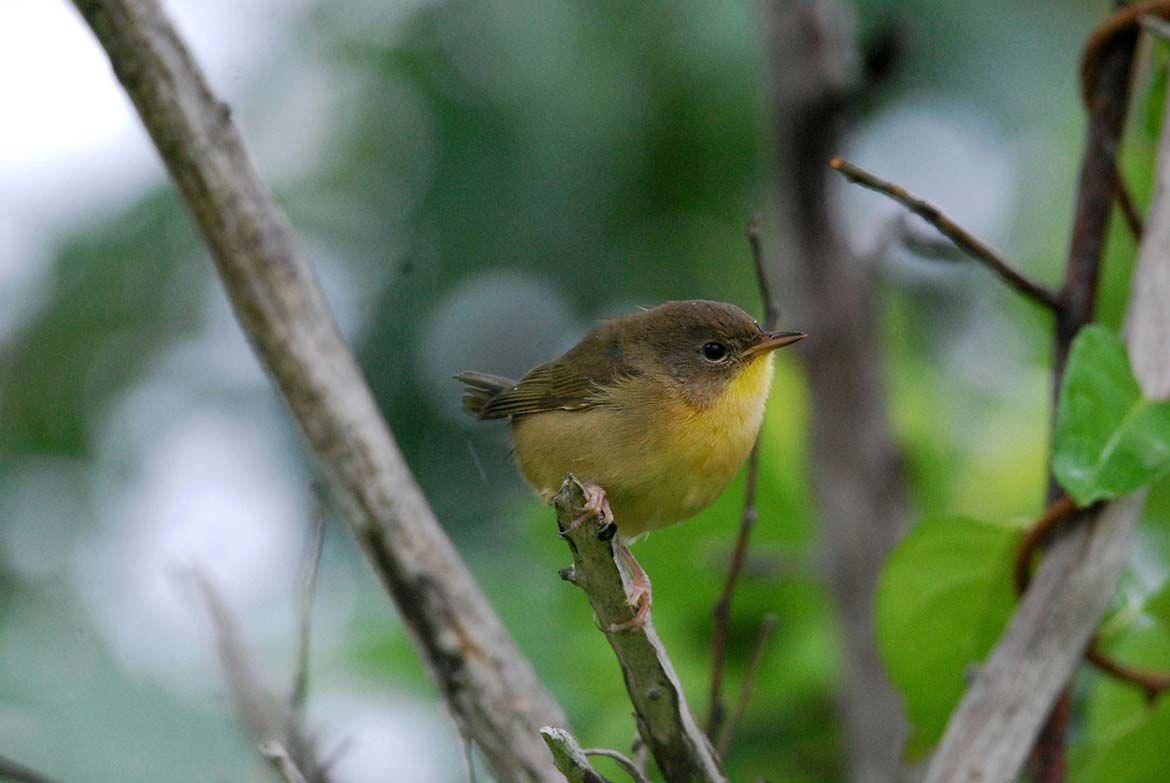
Tyler Moulton/Unsplash
Researchers analyzed more than half a million records of banded birds in North America over 27 years.
<関連情報>
- https://newsroom.ucla.edu/releases/female-birds-have-shorter-lifespans-than-male-birds
- https://royalsocietypublishing.org/rspb/article/293/2075/20253227/482647/Female-North-American-passerine-birds-have-lower
北米産スズメ目の雌鳥は雄鳥よりも生存率が低い Female North American passerine birds have lower apparent survival than males
Joanna X. Wu;James F. Saracco;Montague H. C. Neate-Clegg;Morgan W. Tingley
Proceedings of the Royal Society B Published:29 Jul 2026
DOI:https://doi.org/10.1098/rspb.2025.3227
Abstract
Survival is a fundamental organismal trait which can vary by sex, yet the extent of sex-biased survival is largely unknown across most taxa. To address this information gap, we leveraged 563 414 capture–mark–recapture records in 92 North American bird species—spanning 17 families across the orders Passeriformes and Piciformes—to estimate sex-specific apparent survival using transient Cormack–Jolly–Seber models. We found significantly lower apparent survival in females in 35 species. Adult apparent survival was, on average, 12.4% lower for females (0.479 ± s.e. 0.009) than males (0.538 ± 0.008), corresponding to adult lifespans (i.e. longevity having survived to adulthood) of 1.36 years for females and 1.61 years for males (18.5% higher than females). Exploration of potential mechanisms underlying sex-biased survival indicated that the female–male survival gap was greater in long-distance migratory species, lower in species with greater dispersal-associated morphology, and higher in species where males had relatively more fat, lending weight to the hypotheses that social dominance and lower movement costs in males contribute to male-biased survival. Our analysis demonstrates a pervasive male bias in adult apparent survival across a large swath of Nearctic breeding birds and provides possible explanations for previous observations of skewed adult sex ratios in birds.