2026-08-12 ウィスコンシン大学マディソン校(UW-Madison)
<関連情報>
- https://news.wisc.edu/researchers-identify-new-target-in-the-gut-for-reducing-alzheimers-risk/
- https://www.nature.com/articles/s41467-026-74744-z
腸内細菌代謝産物イミダゾールプロピオン酸はアルツハイマー病の病理を増強する Gut bacterial metabolite imidazole propionate potentiates Alzheimer’s disease pathology
Vaibhav Vemuganti,Jea Woo Kang,Qijun Zhang,Eric R. McGregor,James R. Hilser,Ruben Aquino-Martinez,Sandra Harding,Joseph Lawrence Harpt,Katharina R. Beck,Hailey Bussan,Jessamine F. Kuehn,Yuetiva Deming,Rachel Studer,Sterling C. Johnson,Sanjay Asthana,Henrik Zetterberg,Kaj Blennow,Corinne D. Engelman,Hooman Allayee,Rozalyn M. Anderson,Tyler K. Ulland,Fredrik Bäckhed,Barbara B. Bendlin & Federico E. Rey
Nature Communications Published:26 June 2026
DOI:https://doi.org/10.1038/s41467-026-74744-z
Abstract
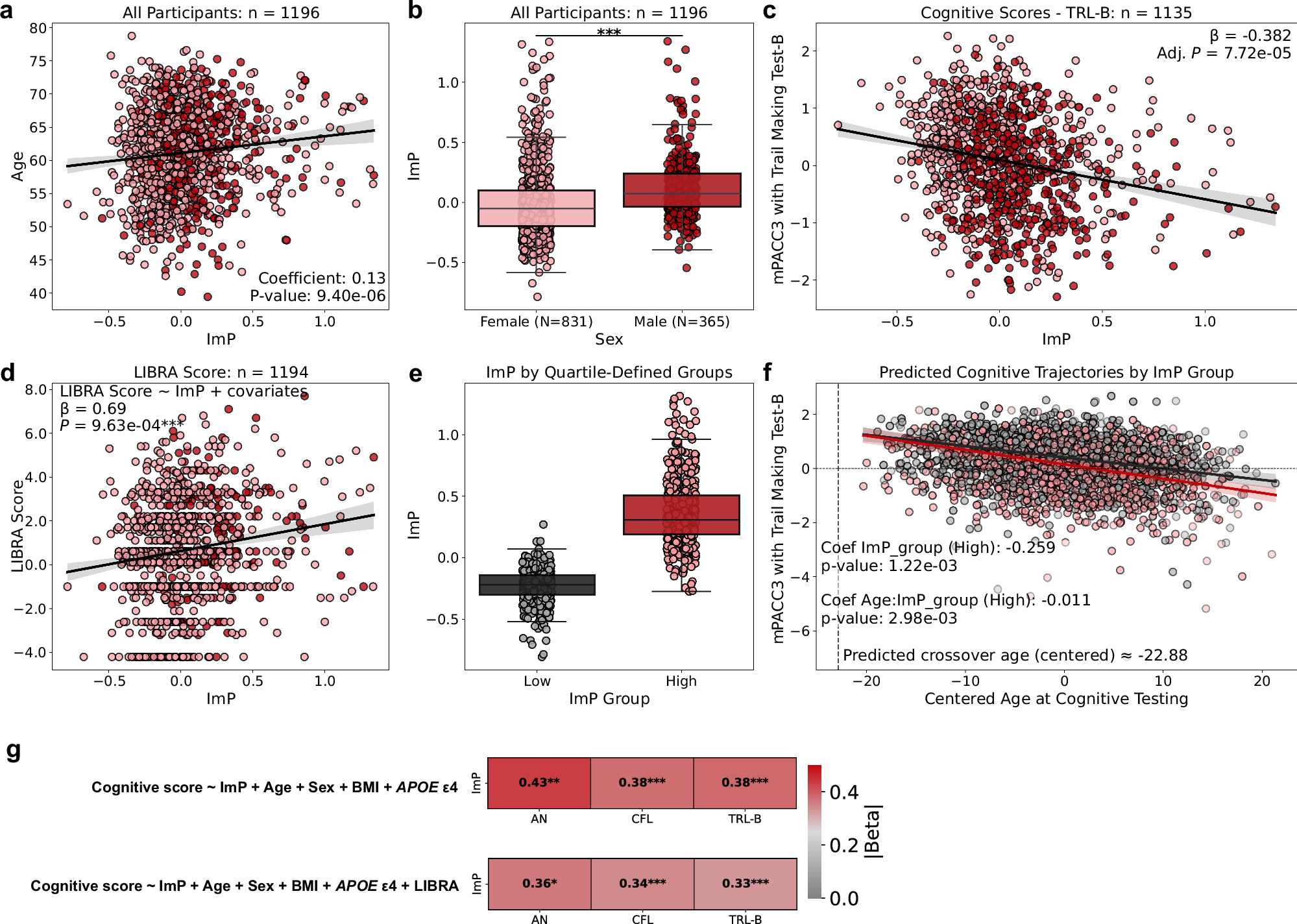
The gut microbiome modulates metabolic and neurovascular processes implicated in Alzheimer’s disease and related dementias (ADRD), but the underlying mechanisms remain unclear. Here, we identify the bacterial metabolite imidazole propionate (ImP) as a modifier of ADRD pathology. In a cohort of 1196 cognitively unimpaired adults, higher plasma ImP levels were associated with lower preclinical cognitive scores and biomarkers of ADRD, both cross-sectionally and longitudinally. Fecal metagenomic analysis linked putative ImP producers to ADRD phenotypes. Genome-wide integrative analysis revealed a locus on chromosome 12 associated with both plasma ImP levels and AD risk in humans, supporting a host genetic contribution to ImP regulation and a causal role of this metabolite in AD. In mice, chronic ImP administration exacerbated AD-like pathology. ImP impaired brain endothelial barrier and promoted tau hyperphosphorylation in primary neurons, an effect blocked by glycogen synthase kinase-3β inhibition. Together, this study links ImP to hallmarks of neurodegeneration and suggests that targeting ImP may represent a potential strategy to modify ADRD risk.