2026-04-27 ヒューストン大学(UH)

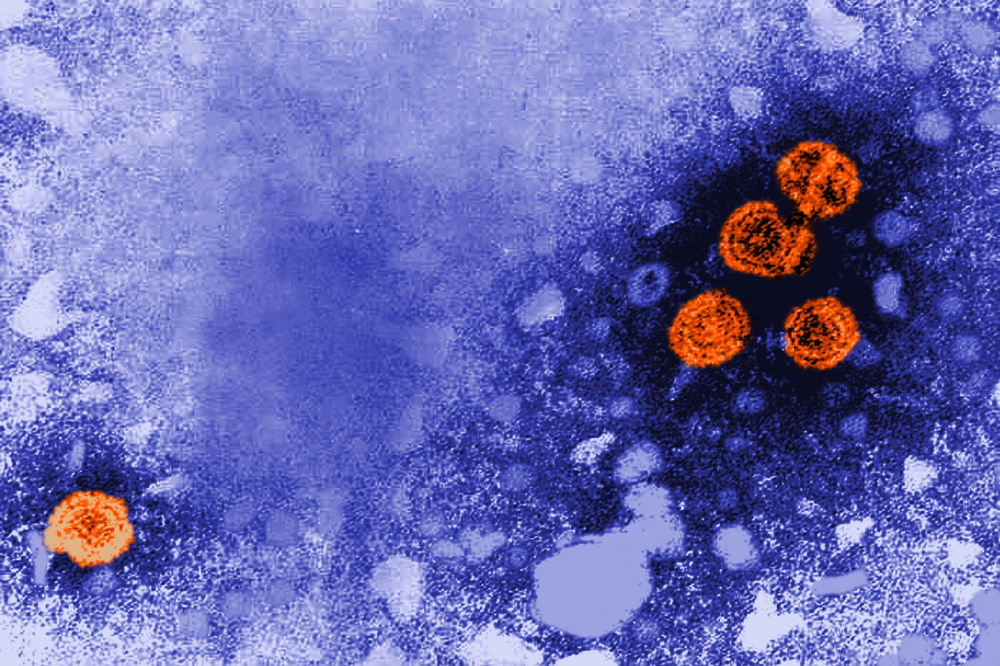
A microscopic slide shows a tissue section with immunohistochemistry, which helps researchers compare healthy tissue with diseased epithelium.
<関連情報>
- https://www.uh.edu/news-events/stories/2026/april/04272026-crohns-disease-treatment.php
- https://www.ghadvances.org/article/S2772-5723(26)00071-3/fulltext
統合ストレス応答とネクロトーシスがクローン病における上皮機能障害を引き起こす:透過性バリア修復のための抗がん剤の用途変 Integrated Stress Response and Necroptosis Drive Epithelial Dysfunction in Crohn’s Disease: Repurposing Cancer drugs for Permeability Barrier Healing
Debasish Halder ∙ Ritwika Biswas Lanford ∙ Amin Ghazi ∙ Jason Ken Hou ∙ Yaohong Wang ∙ Seema Khurana
Gastro Hep Advances Published:April 7, 2026
DOI:https://doi.org/10.1016/j.gastha.2026.100950
Abstract
Background and Aims
Epithelial permeability barrier dysfunction is a central pathogenic driver of Crohn’s disease (CD), fueling microbial translocation, chronic inflammation, and progressive tissue injury. While current therapies suppress inflammation, none directly restore epithelial barrier function. Importantly, in CD patients, permeability barrier healing (BH) rather than mucosal healing is associated with long-term remission and a reduced risk of disease complications. Yet BH remains an unaddressed therapeutic target in CD. Here, we investigated whether pharmacologic inhibition of the integrated stress response (ISR) and RIPK3-mediated necroptosis, two convergent pathways of epithelial injury, can promote epithelial viability, regeneration, and barrier integrity in CD.
Methods
We employed villin-1/gelsolin double knockout (DKO) mice with epithelial-intrinsic ISR activation, TnfΔARE/+ mice with chronic inflammation, and CD patient-derived enteroids (PDEs). Animals and PDE were treated with ISR inhibitor ISRIB, RIPK3 inhibitor Necrostatin-1 (Nec-1), or FDA-approved cancer drugs pazopanib and ponatinib, repurposed as potent RIPK3 inhibitors. Epithelial survival, regenerative growth (enteroid formation, budding), and barrier function (transepithelial electrical resistance, TEER) were assessed.
Results
Chronic ISR activation and necroptosis were prominent in both murine models and CD PDEs, causing epithelial death, Paneth cell expansion, impaired enteroid survival, and regenerative failure. Pharmacologic inhibition with ISRIB, Nec-1, pazopanib, or ponatinib restored villus architecture, reduced inflammation, enhanced epithelial survival and regeneration, and significantly improved TEER.
Conclusions
ISR activation and RIPK3-mediated necroptosis converge to drive epithelial injury and barrier dysfunction in CD. Repurposing pazopanib and ponatinib offers a potentially translatable approach, to restore barrier integrity in CD.