2026-06-04 ウィスコンシン大学マディソン校(UW-Madison)
◆研究では感染モデルを用いて長期間にわたり発達状況を追跡した結果、脳機能や運動能力、認知機能の発達に影響が現れることが確認された。また、発達障害の兆候は出生直後には把握しにくく、成長に伴って顕在化する場合があることも判明した。これらの結果は、妊娠中のジカウイルス感染による影響が従来考えられていたより広範かつ長期的であることを示している。
◆研究チームは、感染歴のある母親から生まれた子どもに対しては、出生時の診断だけでなく継続的な発達評価と早期介入が重要であると指摘している。本研究は、先天性感染症が神経発達に及ぼす影響の理解を深め、公衆衛生対策や小児医療の改善に貢献する成果である。
<関連情報>
- https://news.wisc.edu/zika-infections-can-cause-significant-developmental-problems/
- https://www.nature.com/articles/s41467-026-68517-x
胎児期のジカウイルス感染は、幼若マカクザルの社会情緒的発達および皮質視覚機能を阻害する Prenatal Zika virus exposure disrupts social-emotional development and cortical visual function in infant macaques
Karla K. Ausderau,Ben Boerigter,Elaina R. Razo,Jake Gutkes,Nicholas P. Krabbe,Ann M. Mitzey,Shannon Walsh,Viktorie Menna,John R. Drew Jr,Sabrina Kabakov,Finn Eckes,Rachel V. Spanton,Anika Shah,Angelica Sun,Alex Katz,Charlene Kim,Amy Hartman,Andrea M. Weiler,Carol Rasmussen,T. Michael Nork,Puja Basu,Heather A. Simmons,James Ver Hoeve,Saverio Capuano,… Emma L. Mohr
Nature Communications Published:29 January 2026
DOI:https://doi.org/10.1038/s41467-026-68517-x
An Author Correction to this article was published on 13 April 2026
This article has been updated
Abstract
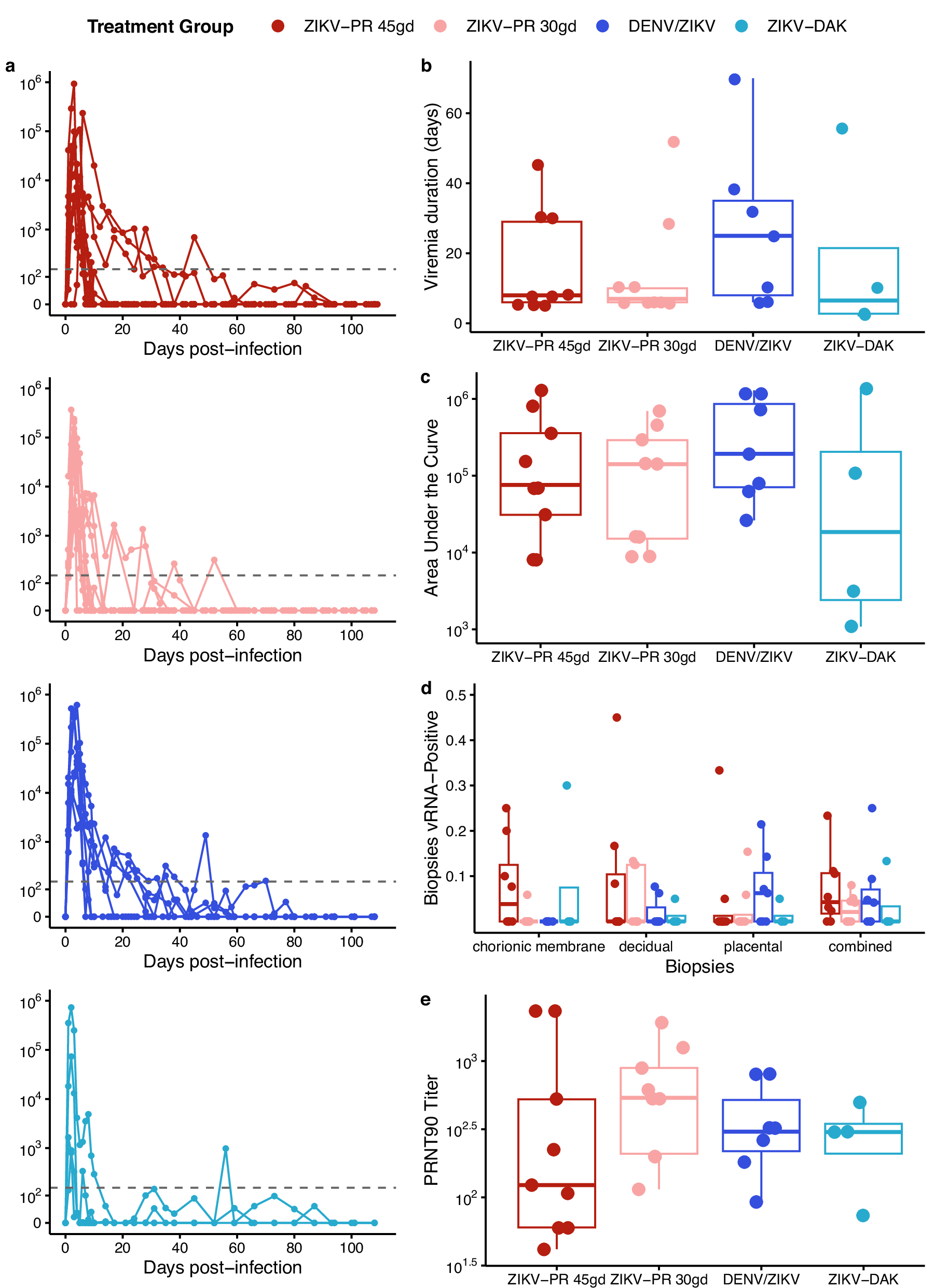
Prenatal Zika virus (ZIKV) exposure can result in outcomes ranging from severe birth defects to subtle developmental delays, yet the underlying mechanisms remain unclear. Using a translational rhesus macaque model, we assess visual, auditory, and neurodevelopmental outcomes through 12 months of age following first-trimester ZIKV inoculation. Pregnant macaques, either flavivirus-naive or with prior dengue virus (DENV) exposure, are inoculated with Asian or African ZIKV lineages. Maternal viremia duration, placental viral burden, and neutralizing antibody titers vary but are not associated with developmental outcomes. At 12 months, ZIKV-exposed infants exhibit altered maternal attachment behaviors and reduced inhibition toward novel sensory stimuli. Visual evoked potentials are impaired at 3 months but normalize by 12 months; hearing loss is more frequent but not statistically significant. These outcomes are driven by ZIKV exposure itself, independent of maternal infection characteristics. Our findings highlight the limitations of maternal biomarkers in risk prediction and support incorporating infant-focused developmental outcomes in studies of maternal interventions.