2026-06-11 韓国基礎科学研究院(IBS)
◆研究チームは、Argonauteと分子シャペロンHsp90が結合した新たな成熟化複合体(AMC)を単離し、クライオ電子顕微鏡(cryo-EM)で高分解能構造を解析した。その結果、シャペロンがArgonauteを開いた状態に保持してmiRNAの取り込みを可能にし、その後Argonauteが機能的構造へ折りたたまれることが判明した。さらに、miRNAは単なる運搬分子ではなく、Argonauteの正しい立体構造形成を促進する補因子として機能することも明らかになった。また、効率的な活性化には20~24塩基程度の二本鎖RNAと特定の化学的特徴が必要であることを示した。研究はRNA医薬の合理的設計に新たな指針を与え、より安全で高性能なsiRNA治療薬開発への貢献が期待される。
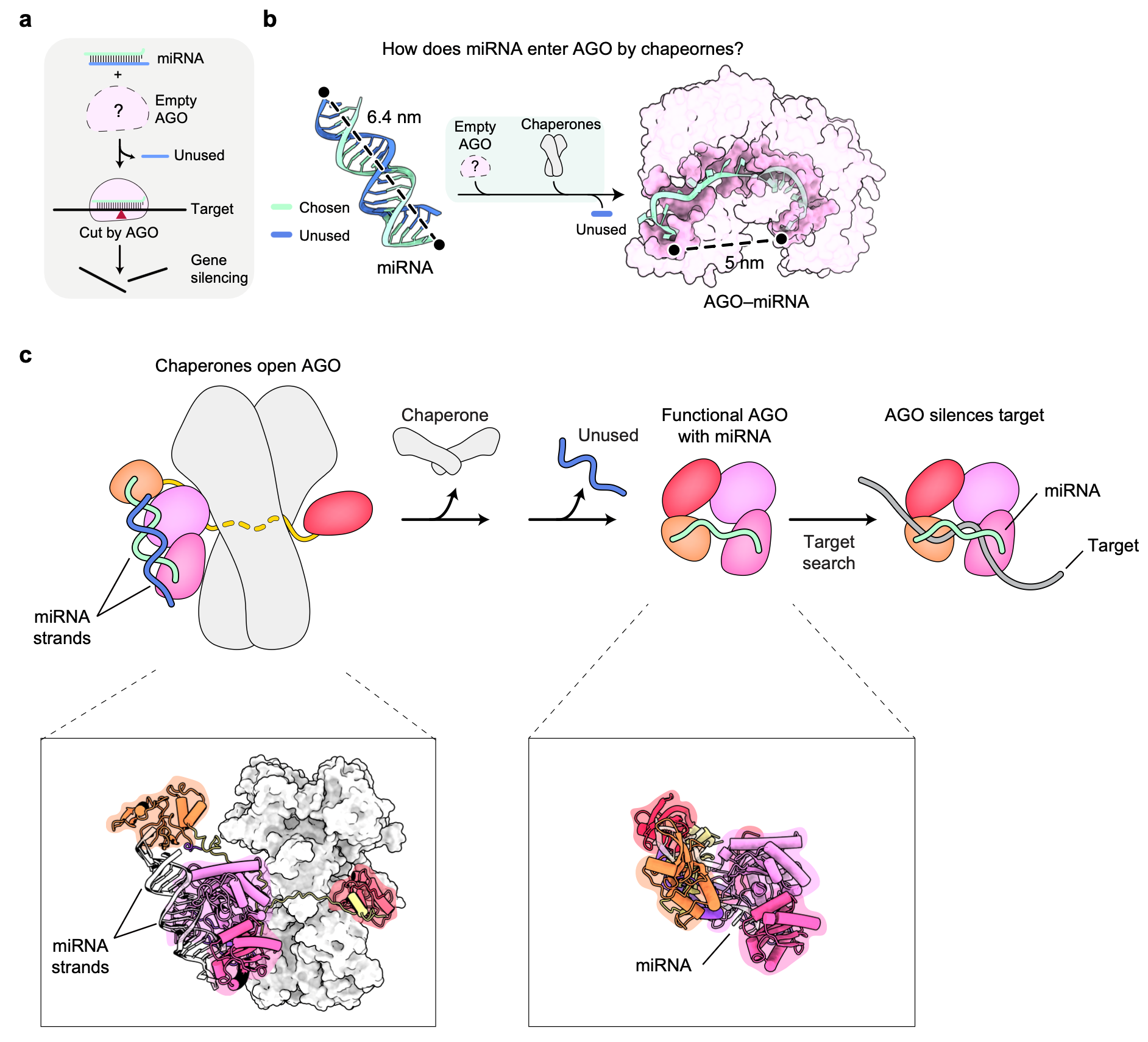
Figure 1. How Argonaute is prepared to silence genes
<関連情報>
- https://www.ibs.re.kr/cop/bbs/BBSMSTR_000000000738/selectBoardArticle.do?nttId=26763&pageIndex=1&searchCnd=&searchWrd=
- https://www.nature.com/articles/s41586-026-10640-2
RNA誘導サイレンシング複合体のシャペロン誘導アセンブリの構造的基盤 Structural basis for chaperone-guided assembly of RNA-induced silencing complex
Young-Yoon Lee,Minseok Jeong,Hansol Lee,Daniel Lee,Jaehyun Lee,Junsun Park,V. Narry Kim & Soung-Hun Roh
Nature Published:10 June 2026
DOI:https://doi.org/10.1038/s41586-026-10640-2
Abstract
The RNA-induced silencing complex (RISC), comprising an Argonaute (AGO) protein and a small RNA, is the central effector in RNA silencing. Small RNAs are loaded onto AGO as bulky duplexes in an HSP70- and HSP90-dependent process1,2,3, but the molecular mechanism remains poorly understood. Here we identify the human AGO–HSP90–p23 complex, which captures AGO in an RNA-free state, termed the AGO maturation complex (AMC). The purified AMC enables RNA loading and AGO folding, faithfully recapitulating de novo RISC assembly. Using cryogenic electron microscopy, we determined the structure of AMC bound to a microRNA duplex. In contrast to its conformation in the RISC, AGO adopts a highly open conformation in the AMC: the N domain and the RNA-binding module (PAZ–MID–PIWI) are fully detached and anchored to opposite sides of the HSP90 dimer, connected solely by the unfolded L1 linker. This arrangement exposes a positively charged cleft that accommodates an RNA duplex. AGO folding is facilitated by a small RNA duplex containing a 5′-terminal phosphate—but not by single-stranded RNAs—revealing a role for the RNA duplex as a chaperone-like cofactor that directs AGO domain assembly. These findings elucidate the RISC assembly mechanism and establish the AMC as a molecular tool for probing optimal RNA features and chemical modifications for the rational design of small interfering RNA therapeutics. Our study also sheds light on how chaperones, together with ligands, can guide the folding of client proteins.