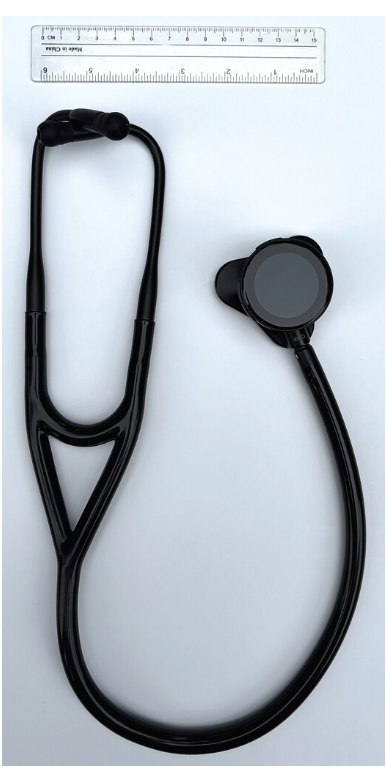
2026-08-12 ノースカロライナ州立大学(NC State)
<関連情報>
- https://news.ncsu.edu/2026/08/ai-enabled-stethoscope-can-miss-the-beat-in-pets/
- https://avmajournals.avma.org/view/journals/javma/aop/javma.26.05.0353/javma.26.05.0353.xml
人工知能を搭載したデジタル聴診器は、犬では中程度の心雑音検出能力を示すが猫では示さず、両種において不整脈の分類も信頼性に欠ける An artificial intelligence–enabled digital stethoscope demonstrates moderate murmur detection in dogs but not cats and unreliable arrhythmia classification in both species
Jake H. Johnson, DVM ; Joshua A. Stern, DVM, PhD, DACVIM ; Teresa C. DeFrancesco, DVM, DACVIM, DACVECC ;
Kursten V. Pierce, DVM, DACVIM
Journal of the American Veterinary Medical Association Published: Aug. 5, 2026
DOI:https://avmajournals.avma.org/view/journals/javma/aop/javma.26.05.0353/javma.26.05.0353.xml
Abstract
Objective
To prospectively evaluate the diagnostic performance of an AI-enabled digital stethoscope in detecting cardiac murmurs and arrhythmias compared to fourth-year veterinary students and experienced clinicians.
Methods
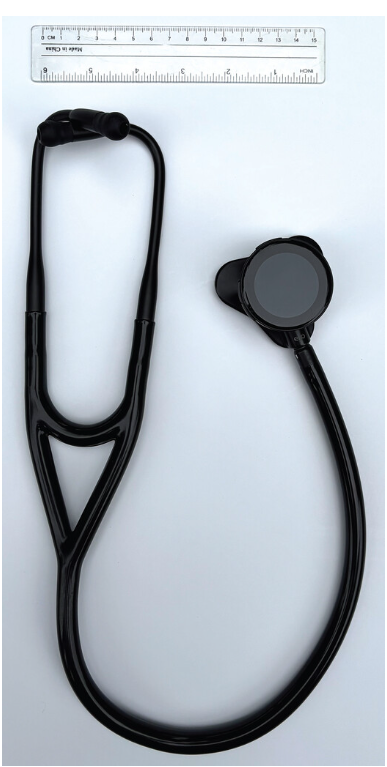
Dogs and cats presenting to a university teaching hospital were prospectively enrolled from August 1, 2025, through December 31, 2025. Each animal underwent cardiac auscultation at 4 thoracic sites with the use of an AI-enabled digital stethoscope (Core 500; EKO Health Inc), 6-lead ECG, and echocardiogram, if clinically indicated. Auscultation was performed by a cardiology resident, board-certified cardiologist, and fourth-year veterinary student.
Results
The stethoscope demonstrated a sensitivity of 86.8%, specificity of 56.3%, and positive predictive value of 82.5% for murmur detection in dogs. There was no difference between the agreement of the AI stethoscope or students with a clinician (κ = 0.447). In cats, sensitivity was markedly lower (9.1%), with only 2 of 22 murmurs detected (κ = 0.081). The stethoscope demonstrated high sensitivity for atrial fibrillation (100%), but classified no dog as arrhythmia-free. Murmur grade was the only significant predictor of stethoscope murmur diagnosis, and high-grade murmurs (≥ 3) had significantly greater odds of detection (OR, 15.11).
Conclusions
The AI-enabled stethoscope demonstrated moderate murmur detection performance in dogs, comparable to fourth-year veterinary students, but performed poorly in cats. Arrhythmia classification was unreliable in both species.
Clinical Relevance
AI-enabled stethoscopes represent an emerging tool in veterinary medicine, but clinical validation is necessary before routine adoption. This study provides prospective performance data across small animals and examiner levels, identifying meaningful limitations regarding interpretation of this technology.