2026-05-13 ノースウェスタン大学
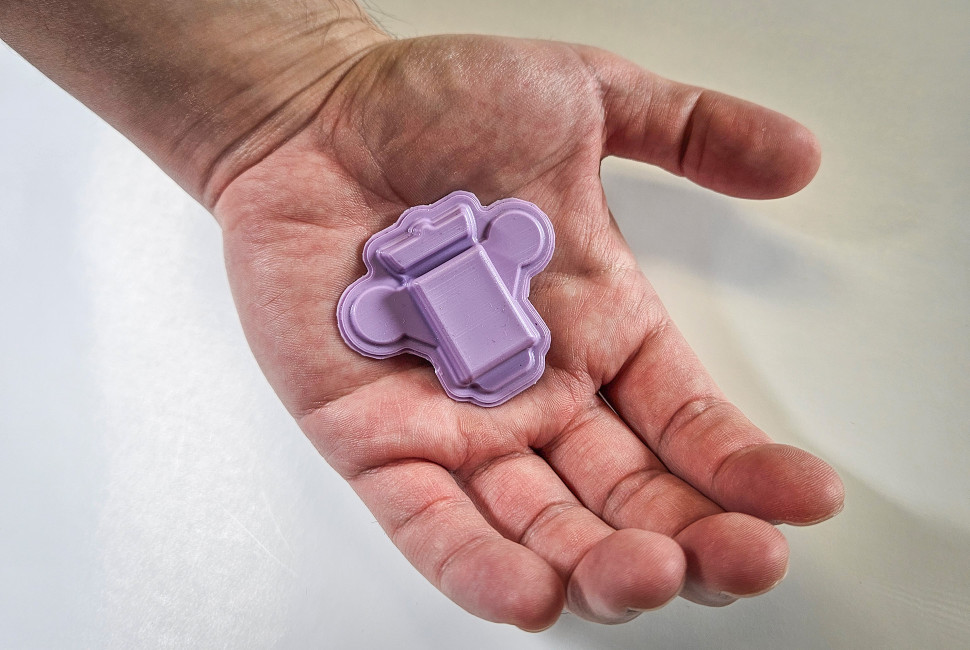
A new wearable polygraph device captures a whole-body “view” of stress, with the goal of helping clinicians detect discomfort in babies, the elderly and critically ill or sedated patients who cannot communicate. Photo by John A. Rogers/Northwestern University
<関連情報>
- https://news.northwestern.edu/stories/2026/05/wearable-polygraph-detects-hidden-stress
- https://www.science.org/doi/10.1126/sciadv.aed3162
継続的な精神生理学的モニタリングのためのワイヤレス皮膚接触型マルチモーダルセンシングシステム ― ウェアラブルポリグラフ装置 Wireless, skin-interfaced multimodal sensing system for continuous psychophysiological monitoring—A wearable polygraph device
Sun Hong Kim , Tae Wan Park , Seunghee Cho, Tianyu Yang , […] , and John A. Rogers
Science Advances Published:13 May 2026
DOI:https://doi.org/10.1126/sciadv.aed3162
Abstract
Accurate, continuous monitoring of psychophysiological states is central to understanding stress and autonomic dysfunction across diverse medical contexts. Current approaches such as polygraphy and polysomnography rely on cumbersome, wired sensors that limit real-world utility and burden patients, particularly vulnerable populations such as infants. Here, we introduce a wireless, skin-interfaced multimodal sensing system capable of simultaneously recording cardiac, respiratory, electrodermal, and thermal signals in a time-synchronized manner. Leveraging compact and soft designs, the technology enables unobtrusive monitoring across controlled, clinical, and naturalistic settings. Validation studies performed in parallel with gold standard systems demonstrate high fidelity in quantifying stress responses during polygraph interviews, cognitive load tasks, and cold pressor tests. In pediatric sleep studies, the data reliably identify arousals, hypopnea, and apnea while revealing disease-specific autonomic signatures in infants with Down syndrome. Real-world deployment during emergency simulation training shows that multimodal stress signatures correlate inversely with performance, underscoring translational value in medical education. Machine learning analyses across all studies confirm that multimodal features outperform single-signal approaches in detecting stress and clinical events with high sensitivity and specificity. Collectively, these findings establish the technology as a next-generation wearable platform that bridges engineering innovation and clinical practice, offering mechanistic insight and diagnostic potential in stress medicine, sleep medicine, and beyond.