2026-04-27 東北大学

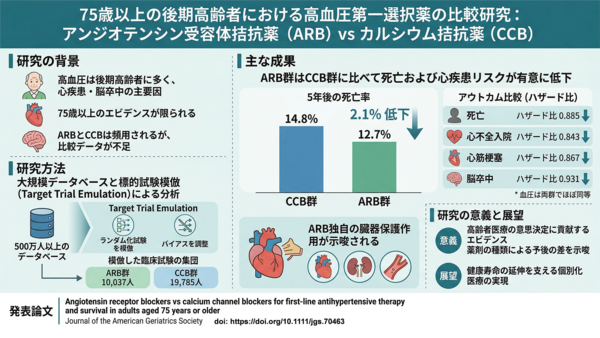
図1. 研究の概略
<関連情報>
- https://www.tohoku.ac.jp/japanese/2026/04/press20260427-01-cancer.html
- https://www.tohoku.ac.jp/japanese/newimg/pressimg/tohokuuniv-press20260427_01_cancer.pdf
- https://ascopubs.org/doi/abs/10.1200/PO-25-01050
頭頸部癌におけるペムブロリズマブ+化学療法とそれに続くセツキシマブ+パクリタキセルに対する反応の逆相関:ヤヌスキナーゼ-シグナル伝達因子および転写活性化因子シグナル伝達経路の役割 Inverse Relation Between Responses to Pembrolizumab Plus Chemotherapy and Subsequent Cetuximab Plus Paclitaxel in Head and Neck Cancer: Role of the Janus Kinase–Signal Transducer and Activator of Transcription Signaling Pathway
Ken Saijo, MD, PhD, Hiroo Imai, MD, PhD, Tomoyuki Iwasaki, MD, Ryo Ishii, MD, PhD, Kenjiro Higashi, MD, PhD, Akira Ohkoshi, MD, PhD, Yuto Yamazaki, MD, PhD, … , and Hisato Kawakami, MD, PhD
JCO precision oncology Published:April 23, 2026
DOI:https://doi.org/10.1200/PO-25-01050
Abstract
Purpose
Cetuximab plus paclitaxel (CET + PTX) is frequently administered after immune checkpoint inhibitor (ICI) therapy in patients with recurrent or metastatic head and neck squamous cell carcinoma (R/M-HNSCC). However, the relation between responses to these two treatment lines has remained unclear. We aimed to clarify this relation and its potential mechanisms, focusing on the patients treated with pembrolizumab plus chemotherapy and subsequent CET + PTX.
Patients and Methods
We retrospectively reviewed patients with R/M-HNSCC who received pembrolizumab plus chemotherapy and subsequent CET + PTX at Tohoku University Hospital between April 2020 and November 2025. Clinical outcomes of CET + PTX were assessed according to response to prior pembrolizumab plus chemotherapy. Gene expression and immunohistochemical (IHC) analyses of pretreatment tumor samples, as well as HNSCC cell–based assays, were performed.
Results
This study included 30 patients. The overall response rate (ORR) to subsequent CET + PTX was 57%. The ORR and progression-free survival (PFS) of CET + PTX were significantly greater in patients who showed progressive disease on pembrolizumab plus chemotherapy than in responders (P < .01). Gene expression analyses revealed enrichment of Janus kinase (JAK)–STAT signaling pathways in pembrolizumab plus chemotherapy nonresponders who responded to CET + PTX. Consistently, high tumor expression of phosphorylated STAT3 was observed exclusively in this subgroup by IHC. CET sensitivity across HNSCC cell lines correlated with STAT3 phosphorylation.
Conclusion
Responses to pembrolizumab plus chemotherapy and subsequent CET + PTX were inversely associated in R/M-HNSCC. Activation of the JAK-STAT signaling pathway, particularly STAT3 phosphorylation, may identify tumors resistant to pembrolizumab plus chemotherapy but sensitive to CET + PTX, thereby guiding post-ICI treatment selection.