2026-07-06 基礎生物学研究所
<関連情報>
- https://www.nibb.ac.jp/press/2026/07/06.html
- https://aalas.kglmeridian.com/view/journals/72010024/65/3/article-p482.xml
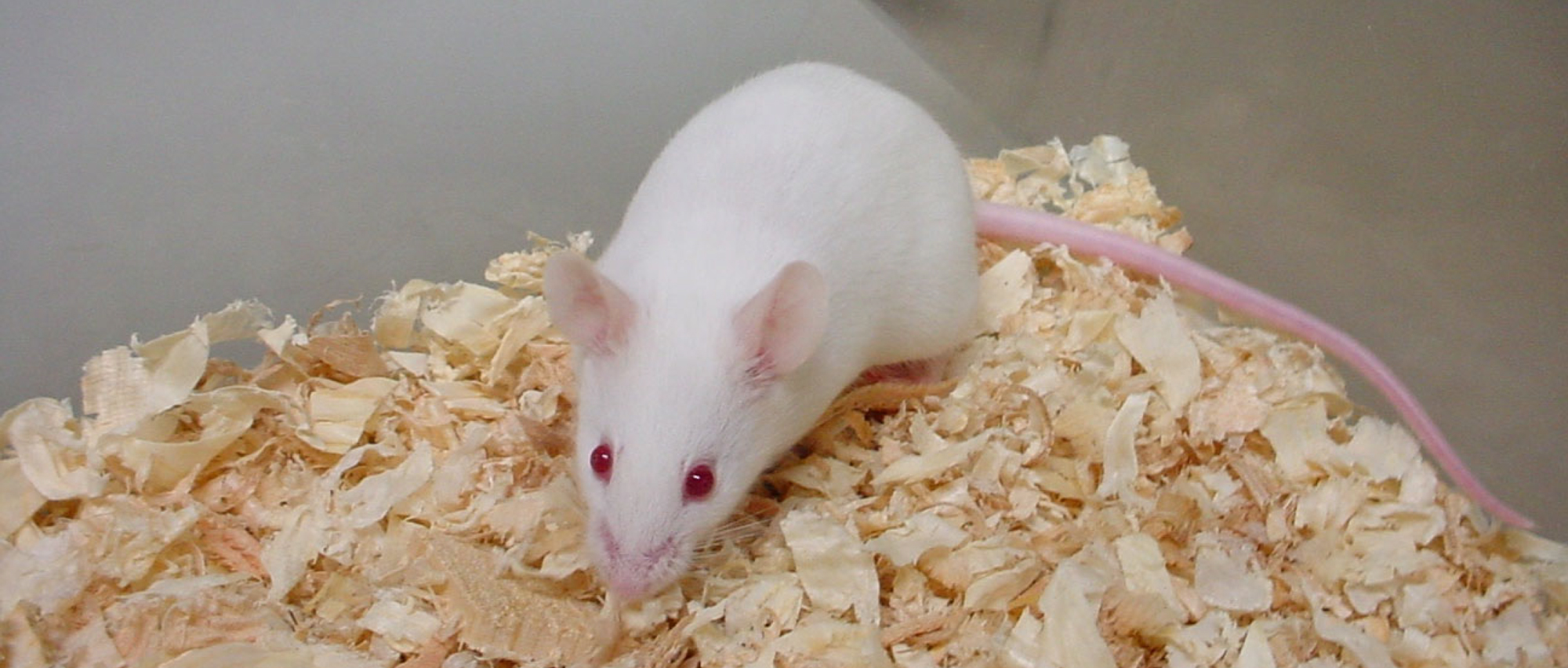
発情兆候を示さない雌マウス(Mus musculus)を用いた偽妊娠受容雌の準備:ウィッテン効果に基づく独自のアプローチの検討Preparation of Pseudopregnant Recipient Females Using Female Mice (Mus musculus) Showing Nonestrous Signs: Investigation of a Unique Approach Based on the Whitten Effect
Yuji Noguchi BS and Eiji Watanabe PhD
Journal of the American Association for Laboratory Animal Science Published:01 May 2026
DOI:https://doi.org/10.30802/AALAS-JAALAS-25-131
Abstract
Availability of pseudopregnant recipient females is an essential component of embryo transfer in mice. However, conventional methods for sorting females based on estrous signs (proestrus or estrus) require maintaining a large stock of mice, thereby presenting challenges for animal welfare. Furthermore, these large numbers of female mice are often maintained in group housing due to space constraints; and this can induce the Lee-Boot effect, leading to decreased preparation efficiency. Therefore, this study examined a method for preparing pseudopregnant recipient females using mice showing nonestrous signs through a unique approach based on the Whitten effect. Female ICR mice exhibiting metestrus or diestrus characteristics were deliberately sorted and housed with vasectomized males for 3 consecutive days. The Lee-Boot effect was induced through group housing to increase the proportion of females showing nonestrous signs, followed by Whitten effect induction aimed at achieving successful copulation on day 3. Results demonstrated copulation success rates of 74.4% (CLEA Japan, n = 500) and 77.0% (Japan SLC, n = 200) on day 3, significantly higher than random mating controls during the same period (53.5%, Japan SLC, n = 101; December to May). Subsequent embryo transfers achieved high pregnancy rates of 93.1% and 89.6%, respectively. This approach demonstrated the feasibility of using mice showing nonestrous signs, previously overlooked in conventional methods, for preparing pseudopregnant recipient females. When combined with conventional methods, this approach expands the range of mice available for mating and potentially enables more efficient production of pseudopregnant recipient females while minimizing the total number of female mice required. This advancement aligns with the Replacement, Reduction, and Refinement (3Rs) principles of animal experimentation, particularly the reduction principle, and provides a practical strategy for laboratories seeking to perform embryo transfer procedures with smaller mouse numbers.