2026-07-21 カリフォルニア大学アーバイン校(UCI)
<関連情報>
- https://news.uci.edu/2026/07/21/when-childhood-feels-unpredictable-the-brain-remembers/
- https://www.nature.com/articles/s44220-026-00681-x
予測不可能性は、精神的な健康問題の一因となる幼少期の逆境である Unpredictability is a childhood adversity that contributes to mental health problems
Laura M. Glynn,Sabrina R. Liu,Charles Golden,Michael Weiss,Candice Taylor Lucas,Dan M. Cooper,Louis Ehwerhemuepha,Hal S. Stern & Tallie Z. Baram
Nature Material Health Published:21 July 2026
DOI:https://doi.org/10.1038/s44220-026-00681-x
Abstract
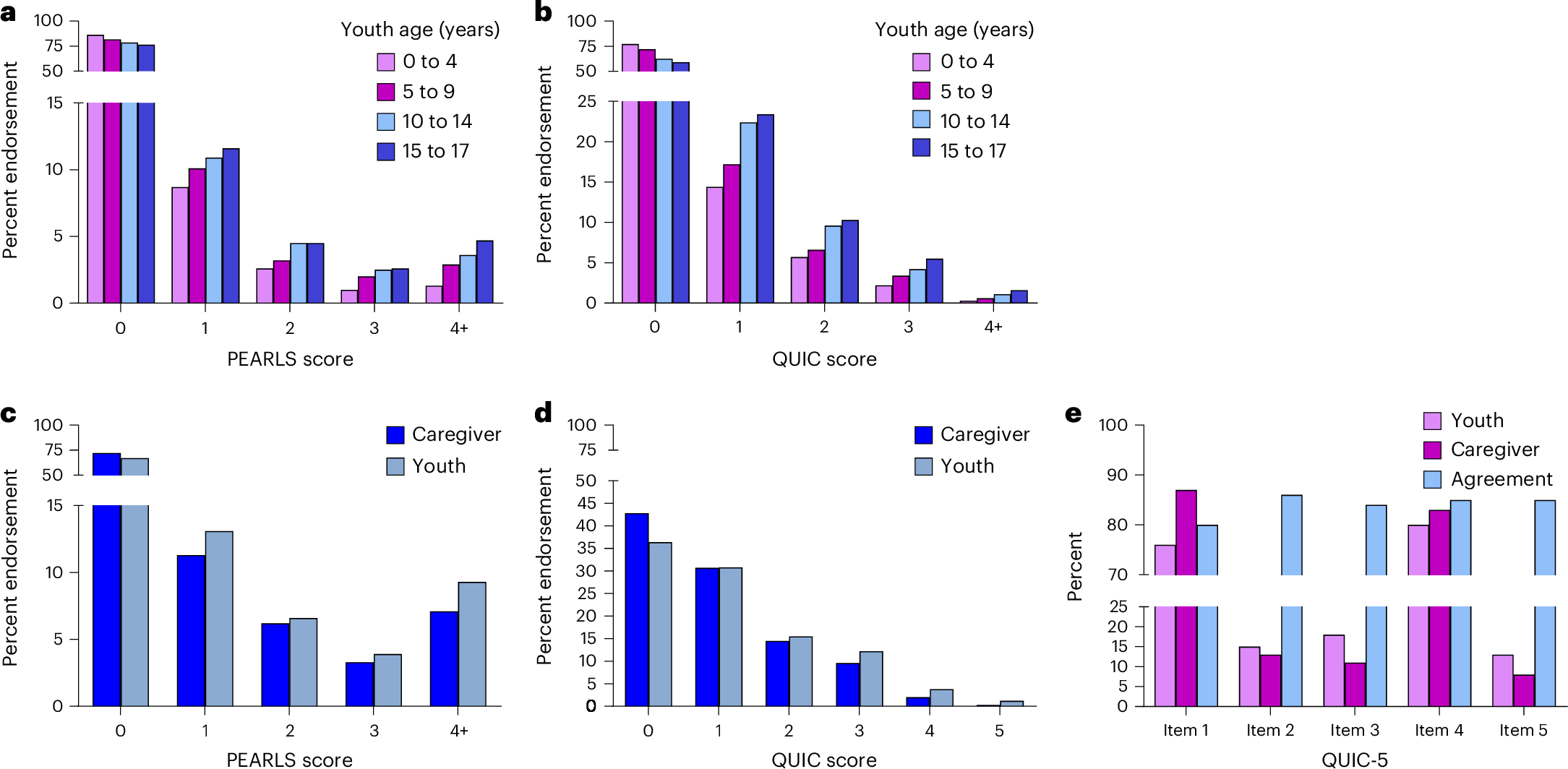
Although adverse childhood experiences (ACEs) increase risk for mental illness at the population level, existing ACEs screens are less helpful in forecasting individual outcomes, suggesting they may not capture significant elements of childhood adversity. We have previously identified unpredictable parental and household experiences as an ACE that portends poorer cognitive and mental health. However, the contribution of unpredictability to established ACEs in real-world settings is unknown. Here, leveraging existing ACEs screening in California, we added the five-item Questionnaire on Unpredictability in Childhood (QUIC-5) in 19 pediatric clinics spanning broad sociodemographic constituencies and compared in ~30,000 children the link of each screen with mental health diagnoses. Scores on either the ACEs or QUIC-5 associated with probabilities of depression, externalizing symptoms, sleep disorders, anxiety and somatic symptoms. Each screen provided unique contributions and combining them often doubled the strength of associations. For depression and sleep disorders, the QUIC-5 identified vulnerable individuals missed by ACEs screen, improving risk detection and facilitating future interventions.