2026-09-18 ロックフェラー大学
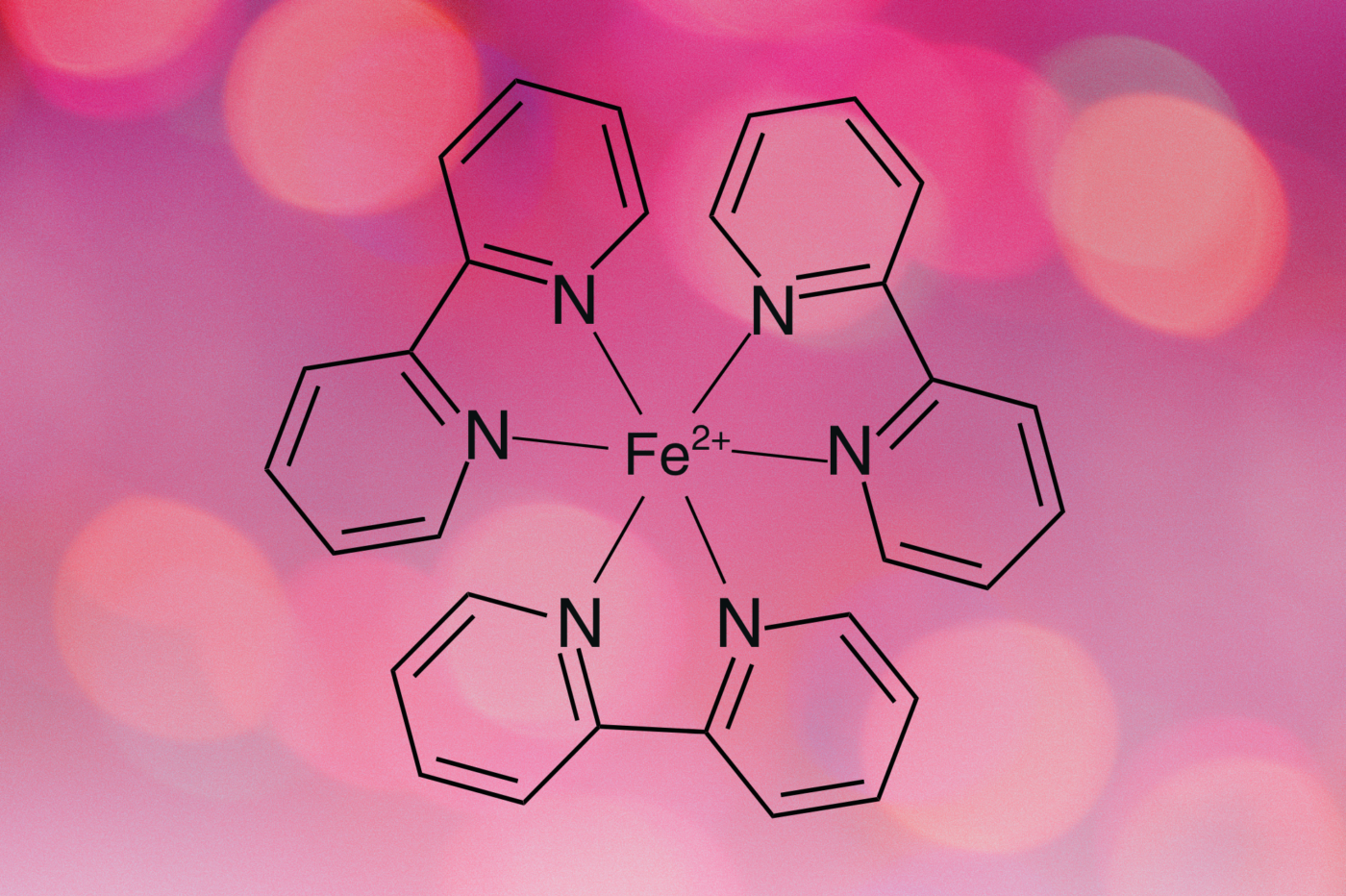
Chemical composition of an assay that turns samples bright red and helps detect the presence of iron. (Credit: Birsoy lab)
<関連情報>
- https://www.rockefeller.edu/news/40469-cysteine-toxic-glutathione/
- https://www.nature.com/articles/s42255-026-01616-7
システイン過剰はミトコンドリア鉄依存性細胞死を引き起こす Cysteine excess triggers a mitochondrial iron-dependent cell death
Toshitaka Nakamura, Ayaka Inoki, Nupur K. Das, Brandon Chen, Artem Khan, Yuyang Liu, Beste Uygur, Frederick S. Yen, Gokhan Unlu, Yatrik M. Shah & Kıvanç Birsoy
Nature Metabolism Published:15 September 2026
DOI:https://doi.org/10.1038/s42255-026-01616-7
Abstract
Thiol-containing metabolites are central to cellular redox homeostasis1. Among these, cysteine functions as a proteogenic amino acid, supports redox balance and iron–sulfur cluster biogenesis, and, when depleted, triggers ferroptosis2. Cells nevertheless maintain cysteine at low levels, reflecting its intrinsic toxicity, but the mechanisms by which excess cysteine causes cell death remain unclear3. Here we performed a genome-wide CRISPR screen and identified mitochondrial iron transporters as essential mediators of cysteine toxicity. Limiting mitochondrial iron availability suppresses cysteine-induced cell death and prevents impairment of iron–sulfur cluster proteins and respiration. Mechanistically, cysteine mobilizes iron from ferritin, expands the cytosolic iron pool and drives mitochondrial iron accumulation. Enhancing glutathione reductase activity specifically within mitochondria restores redox balance downstream of iron accumulation and protects cells by maintaining iron–sulfur cluster integrity. Our findings suggest that maintaining low cysteine levels safeguards mitochondrial iron homeostasis, and that excess cysteine triggers a distinct mitochondrial iron-dependent cell death under conditions of thiol imbalance.