2026-11-03 中国科学院(CAS)
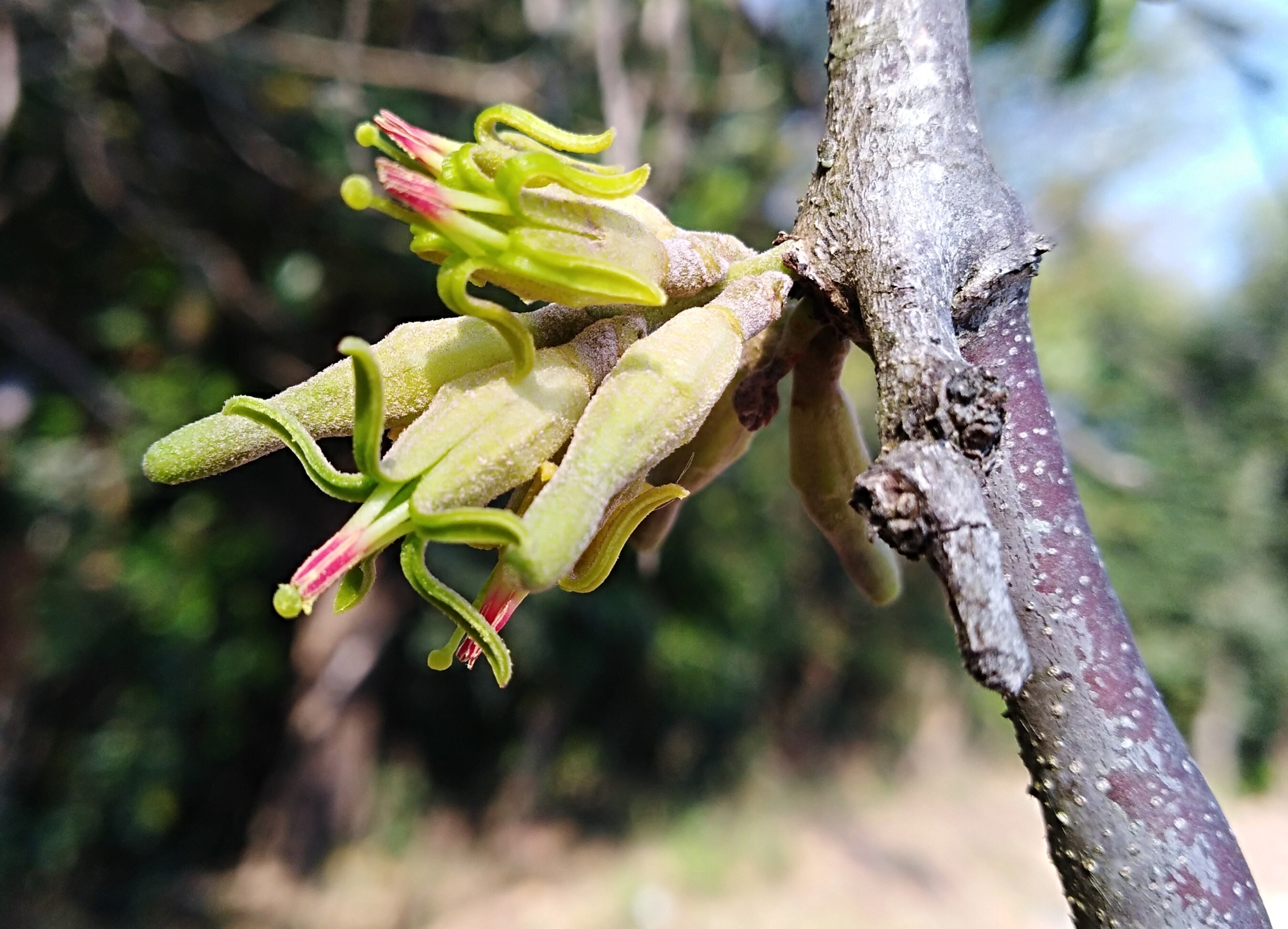
Flower of common mistletoe. (Image by LI Manru)
<関連情報>
- https://english.cas.cn/newsroom/research-news/202611/t20261103_1213051.shtml
- https://esajournals.onlinelibrary.wiley.com/doi/10.1002/ecs2.70788
二重共生:二重の報酬か、それとも冗長性か?ヤドリギと鳥類の相互作用から得られる洞察 Double mutualism: Dual rewards or redundancy? Insights from the interactions between mistletoes and their avian partners
Manru Li, Guofa Su, Yifei Zhang, Doyle McKey, Jin Chen, Ling Zhang
Ecosphere Published: 11 October 2026
DOI:https://doi.org/10.1002/ecs2.70788
Abstract
Mistletoes, recognized as keystone species, supply diverse floral and fruit resources for birds, thereby facilitating mutualistic interactions in pollination and seed dispersal. Some avian species are “double mutualists,” engaging in both functions. However, their precise roles and effectiveness as mutualists remain inadequately understood. In this study, we conducted 690 h of video-recorded observations of avian pollinators and dispersers of the mistletoe species Dendrophthoe pentandra (Loranthaceae) across three sites in the seasonal tropical forests of Xishuangbanna, a biodiversity hotspot in southwestern China. We also performed a phylogenetic analysis of avian traits, including beak length, body length, and body mass. Our findings documented a total of 833 visits by 13 bird species from 8 families, with 11 species probing flowers (528 visits) and 7 species consuming fruits (43 visits). Three species—Dicaeum minullum, Dicaeum ignipectus, and Zosterops simplex—were identified as double mutualists, as they visited the plants during both the flowering and fruiting phases. Notably, double-mutualist birds accounted for 87.5% of flower visits and 95.5% of fruit visits. The generalist frugivore Z. simplex was the most frequent floral visitor in two of three sites, while the mistletoe-specialist frugivore Di. minullum emerged as the principal seed disperser and was the only pollinator that was frequent in all sites. All double-mutualist species exhibited high mobility and specialized morphology, characterized by small to medium sized, slightly curved beaks and lower body mass, which contributed to greater effectiveness in pollination and seed dispersal, confirming their roles as “double mutualists” of this plant. Phylogenetic analysis indicated that ancestral mistletoe-associated birds typically possessed short to medium beaks and medium-sized body masses, whereas double-mutualist birds appear to have evolved shorter beaks and smaller bodies. Our findings show that mistletoe-associated birds that perform both pollination and dispersal are morphologically adapted to the floral structure of mistletoes, fostering closer mutualistic relationships with host plants and enhancing fitness of both plants and their avian partners.