2025-08-06 北陸先端科学技術大学院大学,筑波大学,科学技術振興機構
<関連情報>
- https://www.jaist.ac.jp/whatsnew/press/2025/08/06-1.html
- https://www.nature.com/articles/s41551-025-01459-9
腫瘍内に存在する腫瘍溶解性細菌は、選択的な腫瘍内血栓形成と壊死を通じて強力な抗がん効果を引き起こす Tumour-resident oncolytic bacteria trigger potent anticancer effects through selective intratumoural thrombosis and necrosis
Seigo Iwata,Taisei Nishiyama,Matomo Sakari,Yuki Doi,Naoki Takaya,Yusuke Ogitani,Hiroshi Nagano,Keisuke Fukuchi & Eijiro Miyako
Nature Biomedical Engineering Published:05 August 2025
DOI:https://doi.org/10.1038/s41551-025-01459-9
Abstract
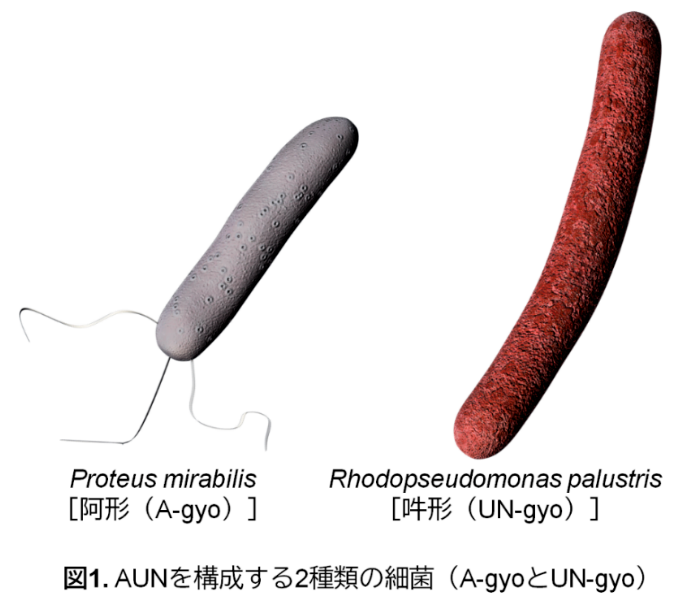
Intratumoural bacteria represent a promising drug-free strategy in cancer therapy. Here we demonstrate that a tumour-resident bacterial consortium—Proteus mirabilis (A-gyo) and Rhodopseudomonas palustris (UN-gyo)—in a precise 3:97 ratio (A-gyo:UN-gyo), exhibits potent antitumour efficacy independent of immune cell infiltration. In both immunocompetent and immunocompromised mouse models, including human tumour xenografts, intravenous administration of the bacterial consortium led to complete tumour remission, prolonged survival, and no observable systemic toxicity or cytokine release syndrome. Genomic and phenotypic analyses revealed A-gyo’s unique non-pathogenic profile and impaired motility, while UN-gyo modulated A-gyo’s biogenic activity, enhanced safety and promoted cancer-specific transformation. Mechanistically, the bacterial consortium triggered selective intratumoural thrombosis and vascular collapse—supported by cytokine induction, fibrin deposition and platelet aggregation—culminating in widespread tumour necrosis. The consortium also proliferated within tumours, formed biofilms and exerted direct oncolytic effects. This natural bacterial synergy—achieved without genetic engineering—offers a self-regulating and controllable strategy for safe, tumour-targeted therapy.