2026-05-05 コペンハーゲン大学(UCPH)
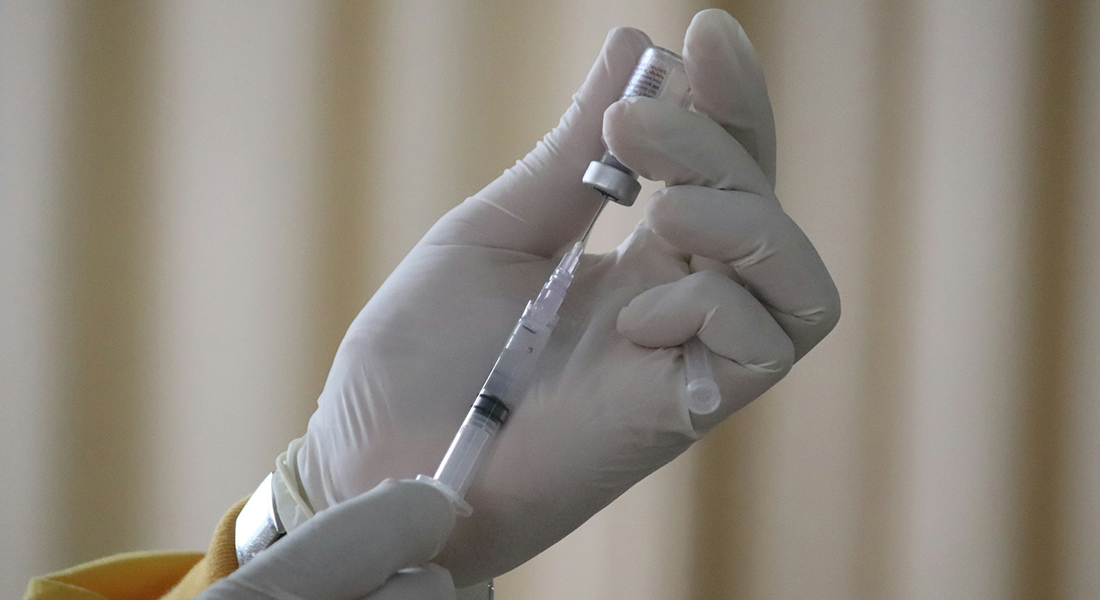
Photo: Mufid Majnun, Unsplash
<関連情報>
- https://news.ku.dk/all_news/2026/05/uncertainty-based-communication-fuels-vaccine-scepticism/
- https://www.science.org/doi/10.1126/science.aef5320
CDCのコミュニケーションはワクチンへの信頼を損なう 不確実性に基づく情報提示は疑念を招き、ワクチン接種意向を低下させ、科学否定を助長する CDC communication undermines trust in vaccines Uncertainty-based framing raises doubt, lowers vaccination intentions, and boosts science denial
Robert Böhm, Alina Schneider, Cornelia Betsch, and Lau Lilleholt
Science Published:30 Apr 2026
DOI:https://doi.org/10.1126/science.aef5320
Abstract
The US Centers for Disease Control and Prevention (CDC) revised its public statement on vaccines and autism in November 2025, suggesting that a possible association between vaccination and autism has not been ruled out with sufficient scientific rigor. Despite its potentially far-reaching public health implications, little is known about how this policy shift, from the previous consensus-based message grounded in the prevailing evidence to the updated uncertainty-based message, affects public perceptions, attitudes, and vaccination intentions. Beyond vaccine-related outcomes, a shift toward uncertainty-based communication may shape broader societal responses, including political polarization around vaccine safety (1), erosion of institutional trust, and increased susceptibility to science-denial reasoning (2)—particularly when uncertainty is emphasized in areas where expert consensus is established. A large-scale online experiment tested the effects of the CDC’s shift in communication, showing that the new uncertainty-based statement amplifies public uncertainty, reduces vaccination intentions, and increases endorsement of science denial strategies.