2026-06-16 浙江大学(ZJU)
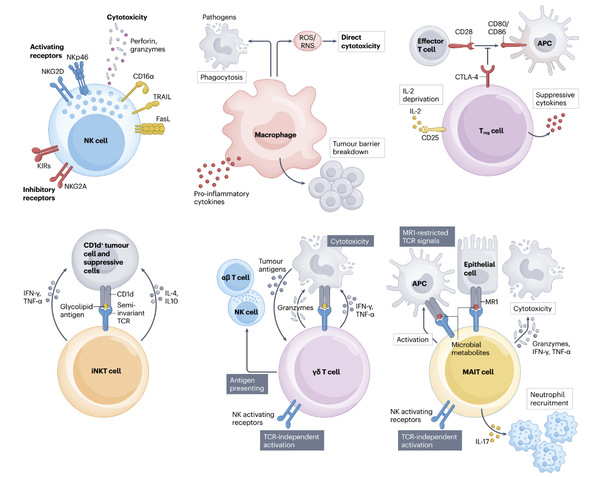
Figure 1 Generic functional properties of distinct CAR-X cells
<関連情報>
- https://www.zju.edu.cn/english/2026/0616/c19573a3179328/page.psp
- https://www.nature.com/articles/s44222-026-00430-w
CAR-X細胞工学 CAR-X cell engineering
Xia Li (李侠),Haikun Lin (林海坤),Jiehan Liang (梁捷翰),Xin Jin (金鑫),Tingfeng Shen (沈庭峰),Yongxian Hu (胡永仙) & He Huang (黄河)
Nature Reviews Bioengineering Published:27 April 2026
DOI:https://doi.org/10.1038/s44222-026-00430-w
Abstract
Chimeric antigen receptor (CAR)-T cell therapy has revolutionized the treatment of haematological malignancies and continues to transform the treatment of various other diseases. Nonetheless, current CAR-T cell therapy has limitations that hinder its therapeutic efficacy for expanded applications, some of which might be attributed to intrinsic T cell features. Using immune cells beyond conventional T cells has therefore emerged as a promising strategy to compensate for such limitations. In this Review, we discuss different CAR-engineered immune cells for therapeutic applications by highlighting how unique immune attributes, along with cell-specific manufacturing strategies and CAR designs, address challenges faced by conventional CAR-T cell therapy.
Key points
- Limitations of conventional chimeric antigen receptor (CAR)-T cells, including exhaustion, antigen heterogeneity and poor solid tumour infiltration, have driven the development of alternative CAR-engineered immune cell (CAR-X cell) platforms.
- CAR-X cell platforms leverage lineage-specific immunobiology, such as innate cytotoxicity, tissue tropism, immune regulation or reduced alloreactivity, to overcome functional constraints inherent to conventional T cells.
- CAR-X cell therapy efficacy requires lineage-tailored CAR designs and manufacturing strategies, including cell sourcing, expansion protocols and gene editing compatibility, which collectively determine scalability and translational robustness.
- Early clinical evaluations of CAR-natural killer cell, CAR-macrophage, CAR-regulatory T cell and CAR-natural killer T cell therapies demonstrate feasibility and distinct therapeutic benefits, including reduced inflammatory toxicity, reduced alloreactive risks or targeted immune suppression.
- The therapeutic efficacy of CAR-X cell therapies depends on persistence, scalable manufacturing and safety control, alongside deeper mechanistic understanding to enable lineage-tailored next-generation CAR engineering.