2026-07-08 リンショーピング大学
<関連情報>
- https://liu.se/en/news-item/eye-problems-after-covid-19-can-now-be-explained
- https://www.nature.com/articles/s41467-026-74858-4
COVID-19後の長期的な眼症状は、免疫調節異常、自律神経障害、末梢神経障害と関連している Long-term ocular symptoms following COVID-19 linked to immune dysregulation, dysautonomia and peripheral neuropathy
Petros Moustardas,Helen Setterud,Helena Meijer,Gunnel Andersson,Jenny Roth,Ava Dashti,Björn Johansson,António Filipe Macedo & Neil Lagali
Nature Communications Published:08 July 2026
DOI:https://doi.org/10.1038/s41467-026-74858-4
Abstract
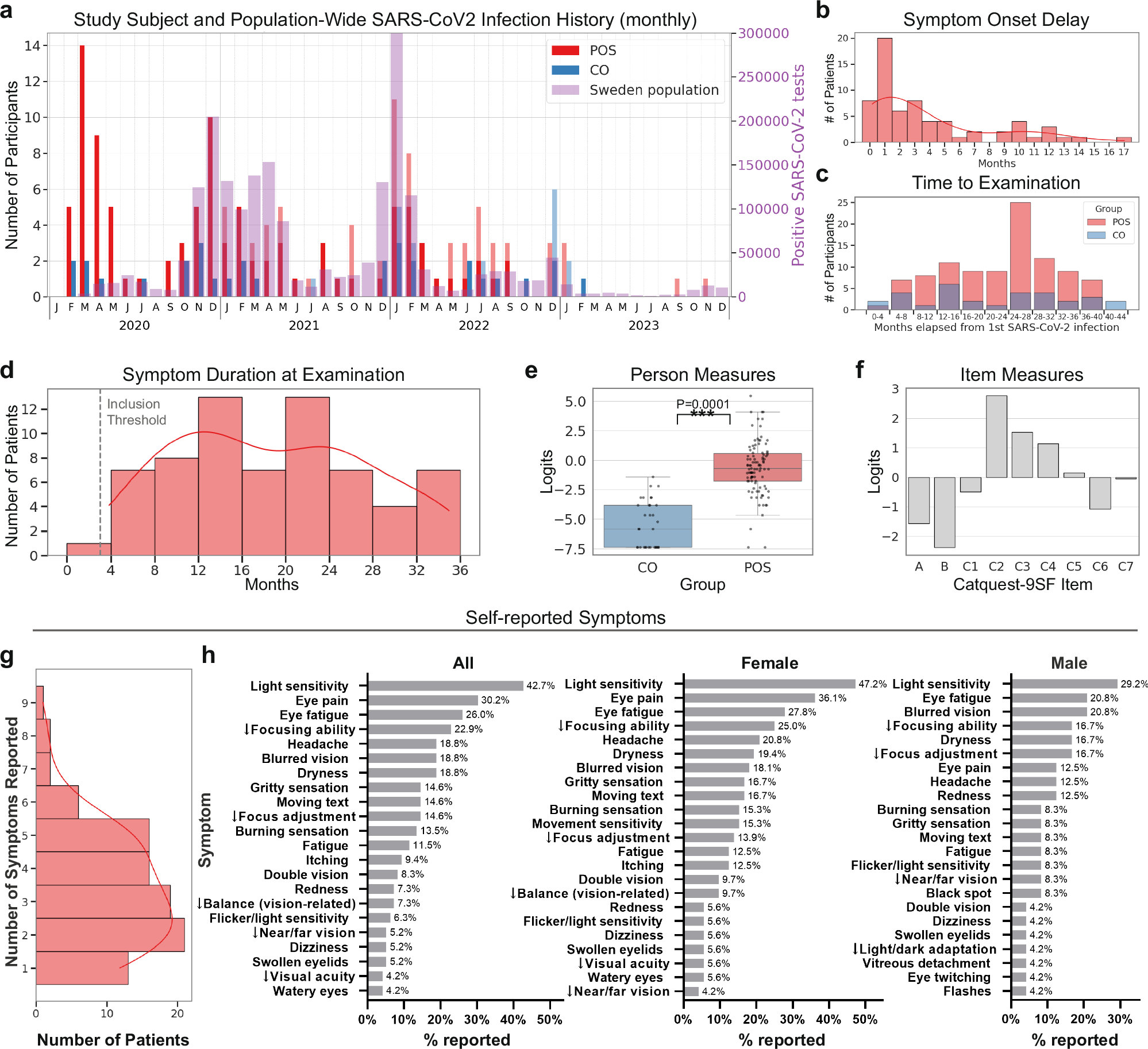
COVID-19 does not require hospitalization in most cases, but post-acute sequelae can persist and are a public health concern. In a prospective cross-sectional study, we examine persistent ocular symptoms (POS) emerging in non-hospitalized individuals after COVID-19, with individuals without POS post-recovery as controls. Using symptom and quality of life data, clinical examinations and biofluid proteomics, we document ocular symptoms persisting from 3 months up to 3 years post-infection. POS lead to significant vision disability and are linked to clinical findings not detectable in routine exams but only with specialized tests. POS include near vision disturbances, strabismus, weakened autonomic pupillary reflexes, corneal neurodegeneration and chronic activation of ocular surface dendritic/T cells. We report a tear film proteomic profile consistent with severe COVID-19, chronic dysregulation of CD4+ T cell regulatory activity, upregulation of ITGB6, NFASC, CTGF, TPSAB1 and CKMT1A-CKMT1B, pupil dysfunction correlating with elevated JUN, and dendritic/T cell dysregulation correlating with elevated ANGPTL2, SKAP2 and DAPP1 levels. Diagnostic models based on clinical examinations with or without biomarkers predict POS with 77-91% accuracy and implicate chronic T cell-mediated neuroinflammation in the pathogenesis of POS, a debilitating syndrome arising after COVID-19 recovery and characterized by strabismus, ocular dysautonomia and peripheral ocular neuropathy.