2026-11-18 琉球大学
<関連情報>
長寿地域である沖縄の高齢者における認知機能と関連する腸内細菌の特徴
Gut microbial signatures associated with cognitive performance in older adults from the long-lived Okinawan population
Hirotsugu Shiroma, Hidehiro Yokoda, Yukihiro Namihira, Tomo Miyagi, Moreno Zolfo, Mia Fitria Utami, Takashi Tokashiki, Ayumi Nagayama, Yuko Murayama, Takuji Yamada, Satoshi Ishihara, Kenya Kusunose, Hiroaki Kitano, Shinya Ikematsu, Akio Ishida
npj Dementia, 2 (2026)公開日:2026-10-09
DOI:10.1038/s44400-026-00146-z
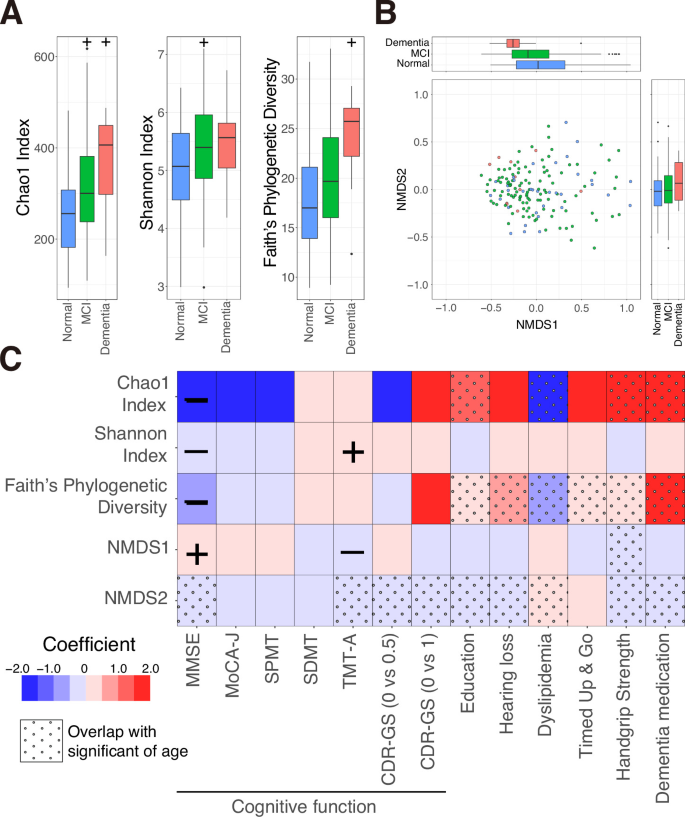
Fig. 1: Association between gut microbial alpha-diversity and community structure.© Shiroma et al., 2026. Licensed under CC BY 4.0.
本研究は、長寿地域として知られる沖縄県の高齢者において、腸内細菌叢の構成や代謝機能と認知機能との関連を明らかにすることを目的とした。研究チームは、沖縄県宜野湾市に住む65歳以上の高齢者155名を対象に、認知機能検査を実施し、認知機能正常群34名、軽度認知障害(MCI)群111名、認知症群10名に分類した。便検体について155名全員に16S rRNA遺伝子解析を実施し、148名には全ゲノムショットガンメタゲノム解析を行い、腸内細菌の種類と代謝機能を調べた。その結果、腸内細菌の多様性や群集構造が認知機能の状態や検査成績と関連していた。特に、抗炎症作用との関連が報告されている Fusicatenibacter saccharivorans の存在量は認知機能検査スコアと正の相関を示し、MCI群では Faecalibacterium prausnitzii とも正の共起関係を形成していた。一方、MCI群では腸粘膜バリアを構成するムチンの分解に関係する細菌の代謝機能遺伝子が増加していた。これらの結果は、腸内細菌の構成やムチン代謝機能が高齢者の認知機能と関連する可能性を示している。ただし、本研究は横断研究であり、腸内細菌が認知機能に影響する因果関係は明らかになっていない。今後は長期追跡研究や独立した集団での再現検証が必要である。
This study investigated associations between gut microbiota composition, microbial metabolic functions, and cognitive performance among older adults in Okinawa, Japan, a region historically recognized for its longevity. The researchers recruited 155 community-dwelling adults aged 65 years or older in Ginowan City and classified them into cognitively normal (n = 34), mild cognitive impairment (MCI; n = 111), and dementia (n = 10) groups. Fecal samples from all participants underwent 16S rRNA gene sequencing, while whole-genome shotgun metagenomic sequencing was performed for 148 participants to characterize microbial composition and functional potential. The analyses revealed associations between gut microbial diversity and community structure and cognitive status and test performance. In particular, the abundance of Fusicatenibacter saccharivorans, a bacterium associated with anti-inflammatory properties, was positively correlated with cognitive performance scores. In the MCI group, this species also showed positive co-occurrence with Faecalibacterium prausnitzii. Conversely, microbial genes associated with mucin degradation, which may compromise the intestinal mucosal barrier, were enriched in the MCI group. These findings suggest that specific gut microbial taxa and metabolic functions are associated with cognitive performance in older adults. However, the cross-sectional design does not establish causal relationships, and longitudinal studies, independent cohort replication, and experimental validation are required.