
2026-04-16 コペンハーゲン大学(UCPH)
<関連情報>
- https://news.ku.dk/all_news/2026/04/brain-scan-can-reveal-the-risk-of-psychiatric-hospitalisation_kopi/
- https://www.nature.com/articles/s41386-025-02291-0#Sec1
扁桃体の脅威に対する反応性、否定的な顔認識、および将来の精神科入院リスク:大うつ病性障害および双極性障害における縦断的研究 Amygdala reactivity to threat, negative facial perception, and risk of future psychiatric hospitalizations: a longitudinal study in major depressive and bipolar disorders
Kamilla W. Miskowiak,Brice Ozenne,Hanne L. Kjærstad,Patrick M. Fisher,Emily E. Beaman,Vibeke H. Dam,Alexander T. Ysbæk-Nielsen,Gitte M. Knudsen,Lars V. Kessing,Julian Macoveanu,Vibe G. Frøkjær & Anjali Sankar
Neuropsychopharmacology Published:15 December 2025
DOI:https://doi.org/10.1038/s41386-025-02291-0
Abstract
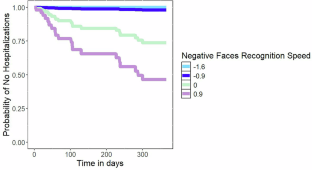
Biased neural and behavioral responses to emotional information, specifically threat-related amygdala and fusiform hyperactivity and negative bias in the recognition of facial expressions, have emerged as potential biomarkers of responses to short-term intervention outcomes in major depressive disorder (MDD) and bipolar disorder (BD). However, investigating the influence of these biomarkers on the risk of longer-term adverse outcomes, over at least a year, may provide valuable insights for developing tailored interventions to improve outcomes in these often recurrent and persistent disorders. Thus, we examined whether threat-related amygdala and fusiform responses, and negative biases in facial expression recognition were associated with a one-year risk of psychiatric hospitalizations. The study participants were 112 individuals diagnosed with either BD (n = 62) or MDD (n = 50), who underwent functional magnetic resonance imaging during an emotion face processing task and behavioral assessments of negative emotional biases. Longitudinal data on psychiatric hospitalizations for up to one-year after the participants’ study inclusion were obtained using the Danish registers. The analyses were conducted using a Cox regression model, adjusting for demographics, and clinical variables such as prior hospitalizations, diagnoses, illness chronicity, baseline symptoms, and medication. The results showed that left amygdala hyperactivity to fearful vs. happy faces (HR = 14.05, 95% CI: 1.17–168.26, p = 0.037), and increased speed in recognizing negative vs. positive facial expressions (HR = 20.75, 95% CI: 4.13–104.11, p = 0.0002), were significantly associated with subsequent psychiatric hospitalizations. Future studies are needed to explore whether targeting negative threat biases, such as through psychotherapeutic interventions, might help reduce overall disease burden, and potentially decrease societal costs associated with hospitalizations in these conditions.
00064-7/asset/5a07a4b0-00d4-49b4-a414-9ac769defe87/main.assets/gr1.jpg "学校ベースのスクリーニングで児童の不安軽減(School-based screening and support helps reduce anxiety in young children)")