2026-05-28 マウントサイナイ医療システム (MSHS)
<関連情報>
- https://www.mountsinai.org/about/newsroom/2026/mount-sinai-researchers-uncover-a-substantial-genetic-component-to-postpartum-psychosis-advancing-understanding-of-severe-maternal-mental-illness
- https://www.nature.com/articles/s41380-026-03637-w
産後精神病の遺伝的構造:一般的な遺伝子変異から稀な遺伝子変異まで Genetic architecture of postpartum psychosis: from common to rare genetic variation
Seulgi Jung,Madison Caballero,Adrianna Kępińska,Shelby Smout,Trine Munk-Olsen,Thalia K. Robakis,Veerle Bergink & Behrang Mahjani
Molecular Psychiatry Published:14 May 2026
DOI:https://doi.org/10.1038/s41380-026-03637-w
Abstract
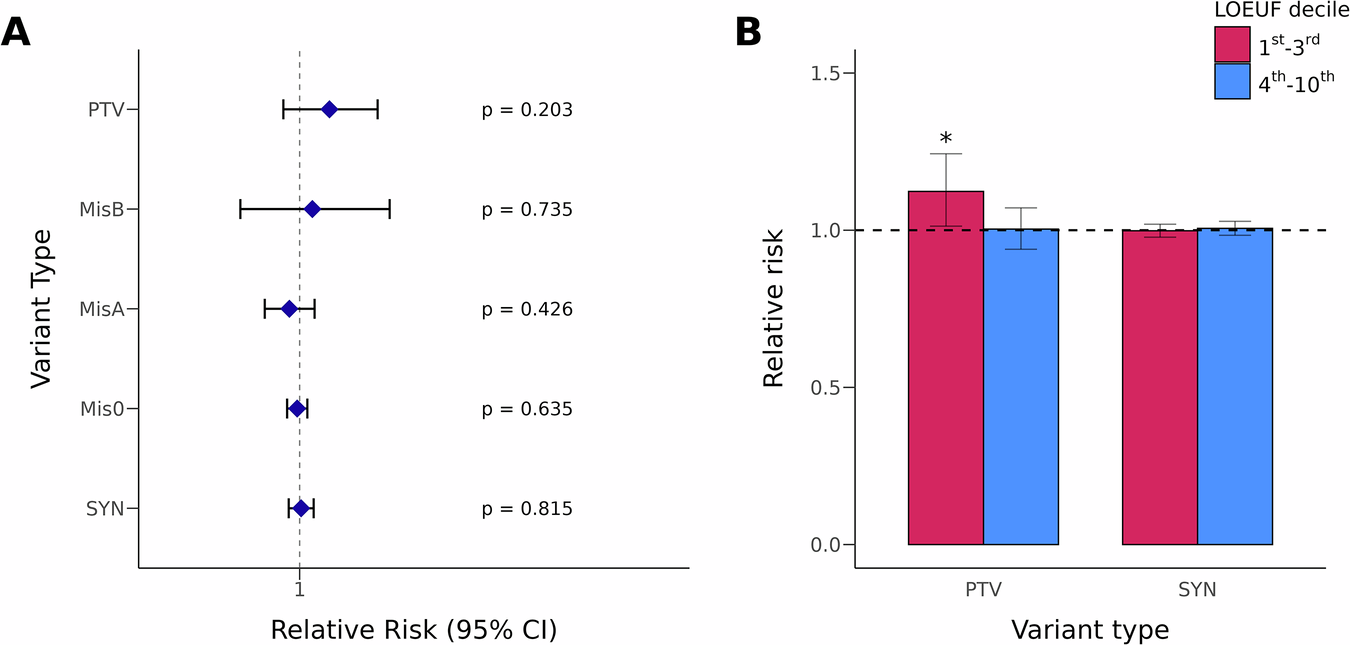
Postpartum psychosis is a severe psychiatric condition marked by the abrupt onset of psychosis, mania, or psychotic depression following childbirth. Despite evidence for a strong genetic basis, the roles of common and rare genetic variation remain poorly understood. Leveraging data from Swedish national registers and genomic data from the All of Us Research Program, we estimated family-based heritability at 55% and whole-genome sequencing-based heritability at 46%. Rare coding variant analysis identified HMGCR as a gene in which rare damaging variants confer risk for postpartum psychosis (FDR < 0.05). Analyses of 240,009 participants from the All of Us Research Program and 58,990 participants from the Mount Sinai BioMe Biobank identified significant associations linking deleterious rare variants in HMGCR to vascular dementia and mental disorder, not otherwise specified, supporting the gene’s broader psychiatric relevance. Additionally, among the top 200 genes ranked by association statistics, 17% of bipolar disorder, 21% of schizophrenia, and 16–25% of multiple autoimmune disorders exhibit a possible association with postpartum psychosis. These findings reveal unique genetic contributions and shared pathways, providing a foundation for understanding pathophysiology and advancing therapeutic strategies.