
2026-06-01 ロックフェラー大学
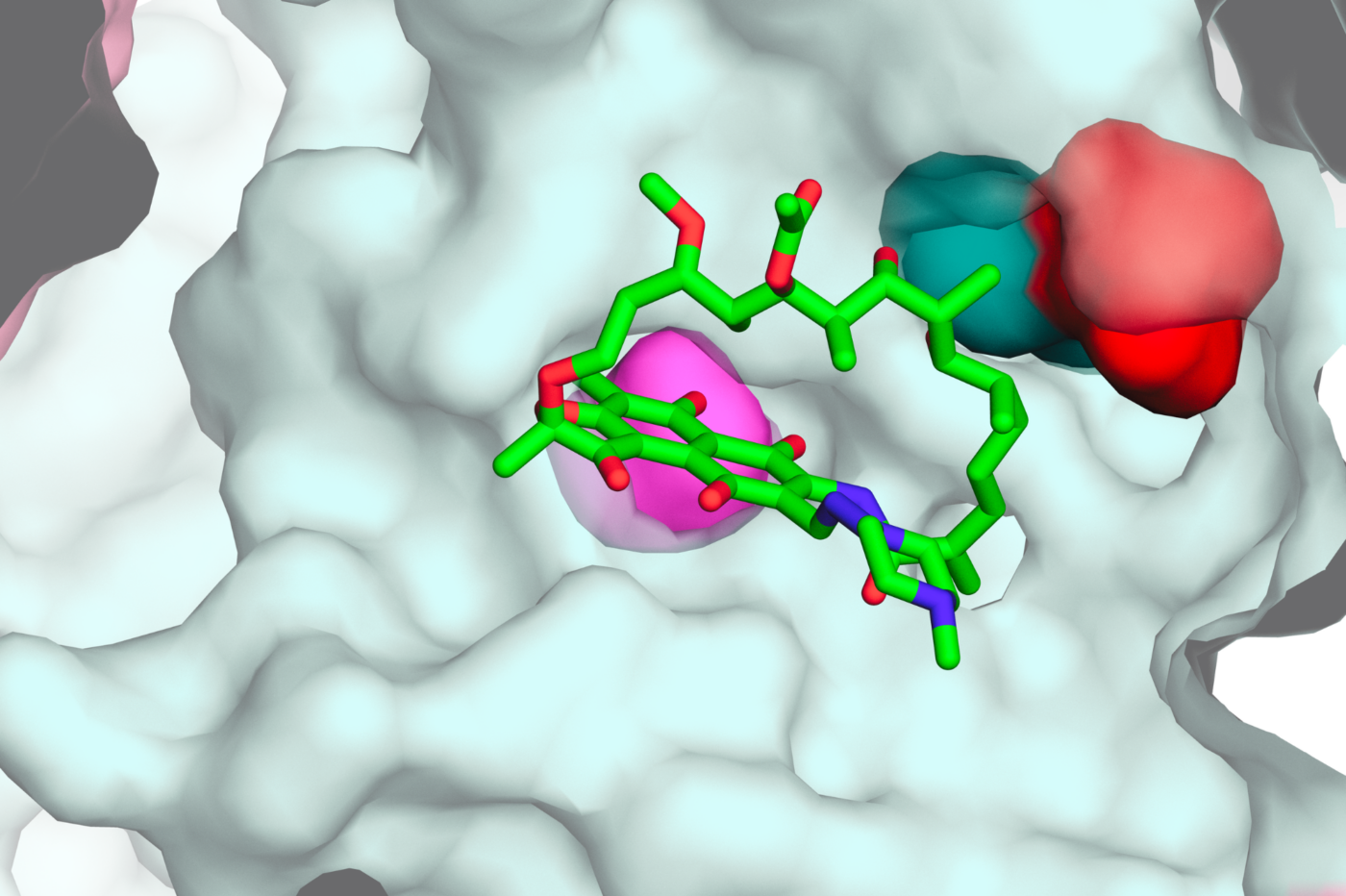
A close-up structural model of a common rifampicin-resistance mutation discovered to create vulnerabilities that could be targeted by future combination therapies. (Credit: Liz Campbell)
<関連情報>
- https://www.rockefeller.edu/news/39782-rifampicin-resistance-tb/
- https://www.nature.com/articles/s41564-026-02357-9
転写抑制はリファンピシン耐性結核菌における副次的脆弱性を増幅させる Transcription attenuation amplifies collateral vulnerabilities in rifampicin-resistant Mycobacterium tuberculosis
Kathryn A. Eckartt,Vanisha Munsamy-Govender,Stefany Quiñones-Garcia,Michael A. DeJesus,Xiangwu Ju,Shixin Liu & Jeremy M. Rock
Nature Microbiology Published:19 May 2026
DOI:https://doi.org/10.1038/s41564-026-02357-9
Abstract
Mycobacterium tuberculosis (Mtb) acquires resistance to rifampicin (Rif) through mutations in the β-subunit of RNA polymerase (RNAP) that prevent the drug from binding. The most common mutation is a single amino acid substitution, βS450L, that confers antibiotic resistance. This mutation also results in collateral effects that impact bacterial physiology and fitness, although the mechanisms underlying many of these effects remain unclear. Here we employed a CRISPRi comparative functional genomics approach to analyse gene vulnerability differences between βS450L Mtb and two alternative Rif-resistant (RifR) Mtb strains, βD435V and βH445Y. Among the strongest βS450L-specific vulnerabilities, we identified thiamine and branched-chain amino acid (BCAA) biosynthesis pathways. These vulnerabilities arise, at least in part, due to transcription attenuation, which impairs βS450L Mtb’s ability to upregulate expression of the critical BCAA biosynthetic enzyme ilvB1 in response to genetic or chemical inhibition. Together, our findings highlight the distinct physiological impacts of RifR in Mtb, identify transcription attenuation as a key driver of βS450L-specific vulnerabilities, and suggest potential avenues for targeted intervention.

