2026-10-26 京都大学 iPS細胞研究所
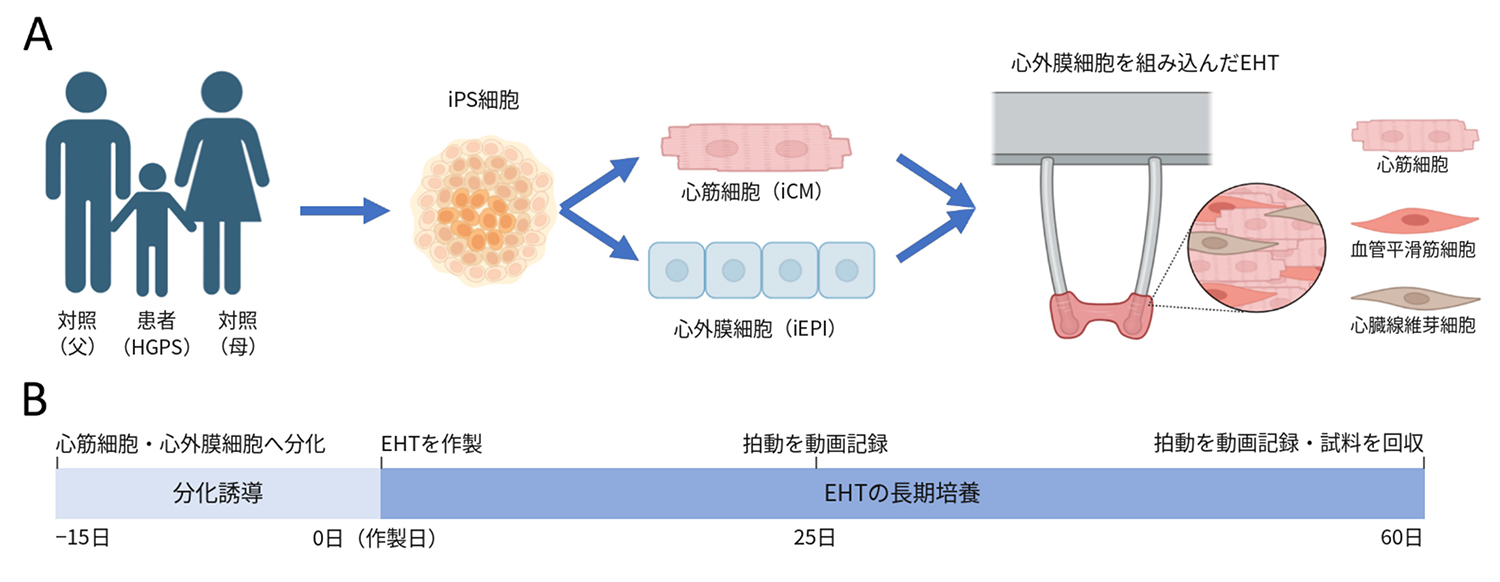
図1. 本研究の概要。原論文の図1より(Created with BioRender.com)
<関連情報>
- https://www.cira.kyoto-u.ac.jp/j/pressrelease/news/261026-100000.html
- https://iopscience.iop.org/article/10.1088/1758-5090/ae8eb5
ハッチンソン・ギルフォード早老症候群のモデル化のための、心外膜に統合されたヒトiPSC由来心臓組織の工学的研究 Engineering epicardium-integrated human iPSC-derived heart tissue for modelling Hutchinson–Gilford progeria syndrome
Martta Häkli, Amanda Putri Elvandari, Yasuko Matsumura, Shunsuke Funakoshi, Antonio Lucena-Cacace and Yoshinori Yoshida
Biofabrication Published: 28 August 2026
DOI: 10.1088/1758-5090/ae8eb5
Abstract
Engineered heart tissues (EHTs) have been used in cardiovascular research for nearly three decades, addressing limitations of animal models and oversimplified two-dimensional single-cell systems in recapitulating cardiac (patho) physiology. Recently, epicardium-integrated EHTs have gained attention as therapeutic tools for remuscularizing the failing heart. The epicardium, the outermost mesothelial layer of the heart, plays a crucial role in cardiac development and disease by serving as a source of progenitor cells and by providing essential paracrine signalling. Hutchinson–Gilford progeria syndrome (HGPS) is a laminopathy caused by a point mutation in the LMNA gene, leading to expression of progerin and resulting in premature aging with a severe cardiovascular phenotype. We developed an epicardium-integrated EHT model to enable more physiologically relevant in vitro modelling of HGPS. Epicardial cells were incorporated into the EHTs and maintained in long-term culture. Cellular differentiation, progerin expression, transcriptomic changes, and functional responses to electrical pacing were assessed over time. Epicardial cells were observed to differentiate into cardiac fibroblasts and vascular smooth muscle cells, enabling incorporation of key non-myocyte populations relevant to HGPS pathology. The epicardium-integrated EHTs exhibited progerin expression and developed hallmarks of HGPS within 60 d of culture. Gene set enrichment analysis revealed upregulation of pathways associated with atherosclerosis, apoptosis, fibrosis, and oxidative stress, which are processes linked to both HGPS and physiological aging. Additionally, a culture time-dependent decline in the contractile response of EHTs to pacing was observed. In conclusion, our epicardium-integrated EHT model recapitulates key molecular, cellular, and functional features of HGPS-associated CVD. This platform provides a promising tool for investigating HGPS disease mechanisms and evaluating therapeutic strategies and may be adaptable for modelling other CVDs and regenerative applications.