2025-09-12 ウィスコンシン大学マディソン校(UW-Madison)
<関連情報>
- https://news.wisc.edu/antibiotic-pollution-could-accelerate-amphibian-decline-by-turning-a-potential-solution-into-a-threat/
- https://www.nature.com/articles/s41598-025-02930-y
抗生物質に対する微生物の反応は、病気の転帰の方向を不可解に変化させる Microbial responses to antibiotics cryptically shift the direction of disease outcomes
Isabela Velasquez,Kyra Ricci,Eve Milusich,Bryon F. Tuthill II,Karin Sauer,Obed Hernández-Gómez & Jessica Hua
Scientific Reports Published:02 July 2025
DOI:https://doi.org/10.1038/s41598-025-02930-y
Abstract
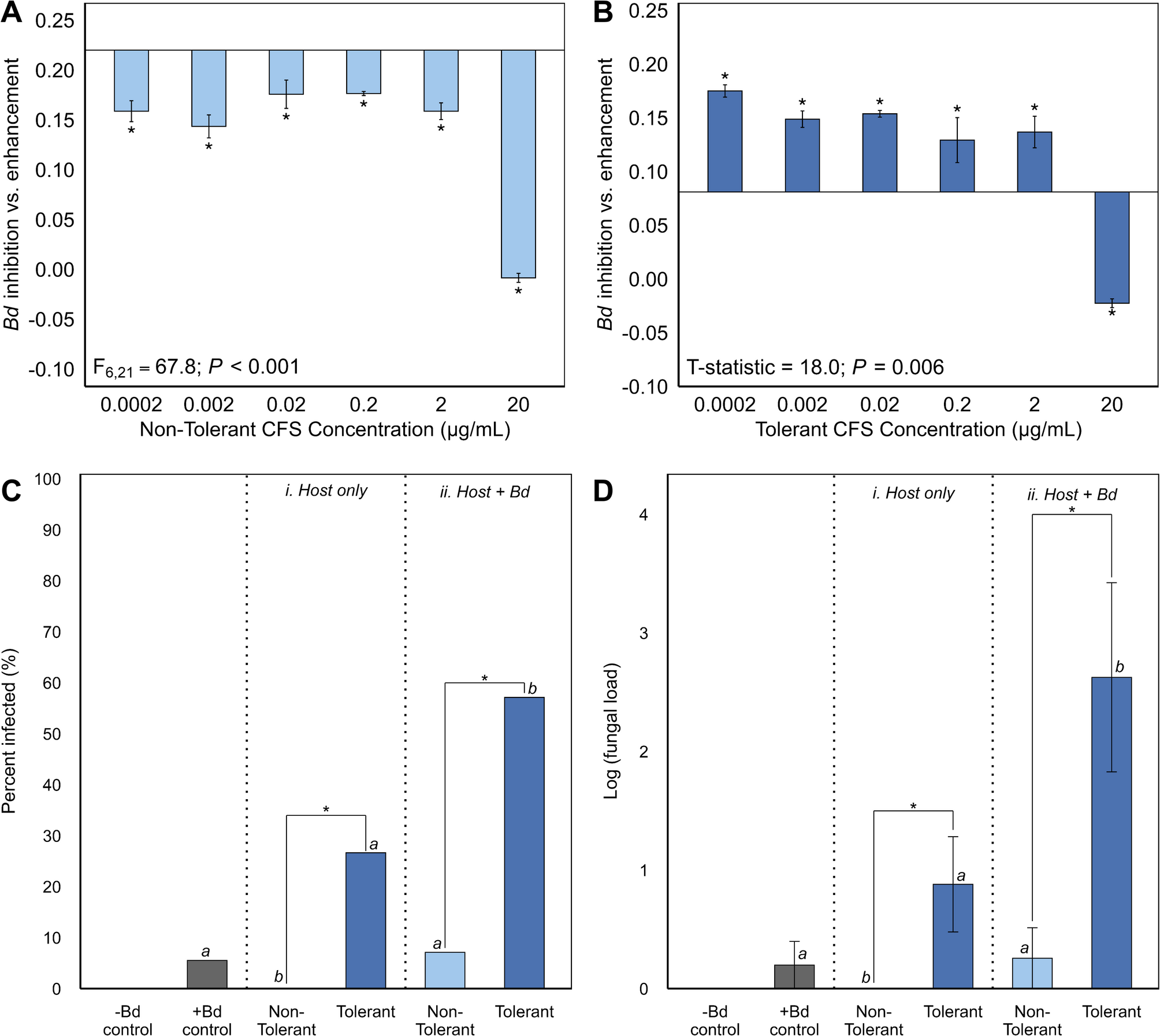
Diseases are emerging at unprecedented rates, prompting global efforts to understand factors shaping disease outcomes. Microbes associated with hosts and the environment influence disease by secreting antipathogenic metabolites, hindering pathogen success. However, antibiotic contamination and costs associated with microbial responses to antibiotics may reduce antipathogenic efficacy. We investigated how antibiotic tolerance influences the antipathogenic properties of metabolites produced by Pseudomonas aeruginosa using in vitro and in vivo experiments. We found that metabolites from antibiotic-non-tolerant P. aeruginosa strains retained their antipathogenic properties and inhibited the growth of Batrachochytrium dendrobatidis (Bd), an amphibian fungal pathogen responsible for amphibian declines worldwide. In contrast, metabolites from P. aeruginosa strains that developed antibiotic tolerance promoted Bd growth and exacerbated infection severity. These patterns were consistent in vitro and in vivo. We also ran toxicological and small molecule analyses of microbial metabolites, and findings suggest the divergent experimental outcomes may stem from differences in metabolite toxicity and profiles between strains. These findings underscore the hidden consequences of interactions between microbial responses to environmental changes and pathogens on infectious disease dynamics and highlight the need to integrate environmental change and eco-evolutionary perspectives into disease research.