2026-02-27 北海道大学
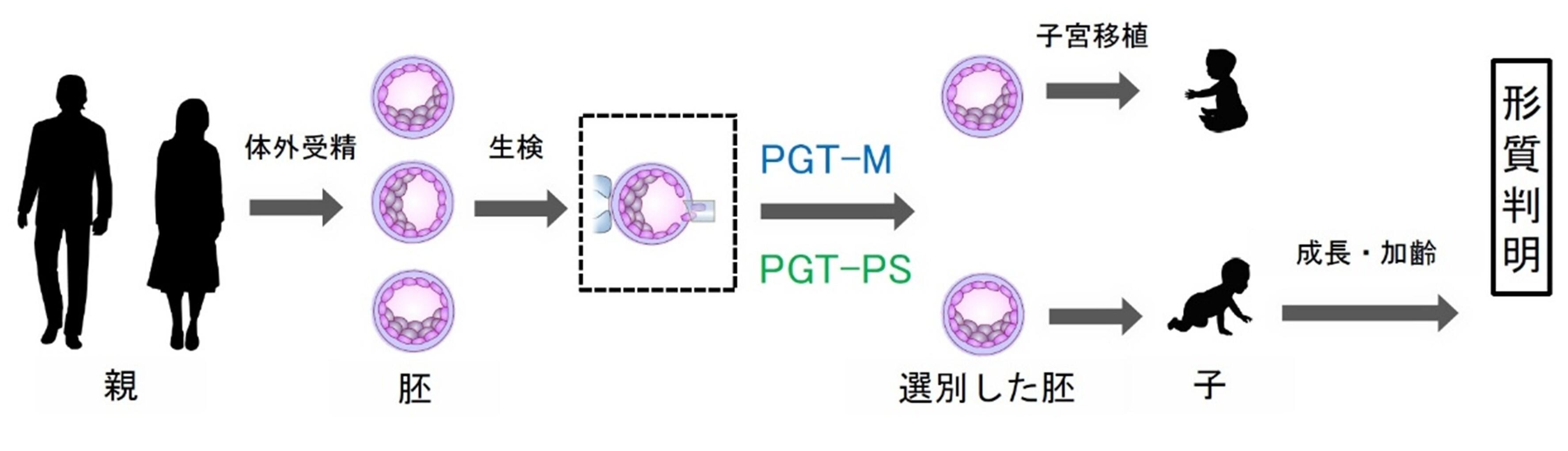
着床前遺伝学的検査(Preimplantation Genetic Testing: PGT)の従来の利用と新しい利用
<関連情報>
- https://www.hokudai.ac.jp/news/2026/02/post-2197.html
- https://www.hokudai.ac.jp/news/pdf/260227_pr2.pdf
- https://www.frontiersin.org/journals/reproductive-health/articles/10.3389/frph.2026.1771127/full
多遺伝子に基づく胚選別への注意:禁止あるいは慎重な利用 Precautions for polygenic embryo selection: prohibition or cautious use
Tetsuya Ishii
Frontiers in Reproductive Health Published:26 February 2026
DOI:https://doi.org/10.3389/frph.2026.1771127
Abstract
Polygenic scores derived from inborn genetic variation are expected to predict individuals’ complex traits. Preimplantation genetic testing for polygenic scores is already offered to help parents select embryos deemed “healthy” and/or “intelligent”, raising ethical concerns. This paper analyzes the implications of polygenic embryo selection and proposes policy responses. Although substantial clinical uncertainty persists, use is likely to expand because parents seek desirable traits. Yet resulting offspring may not meet such expectations due to environmental influences (including parental behavior), offspring’s genomes, and their autonomy. These practices risk generating socio-ethical harms, including false expectations, child objectification, and trait-based stigma. Professional societies and policymakers should therefore warn parents about these risks, and consider prohibiting polygenic embryo selection, although they might eventually permit cautious use for serious late-onset diseases.