2026-08-18 韓国基礎科学研究院(IBS)
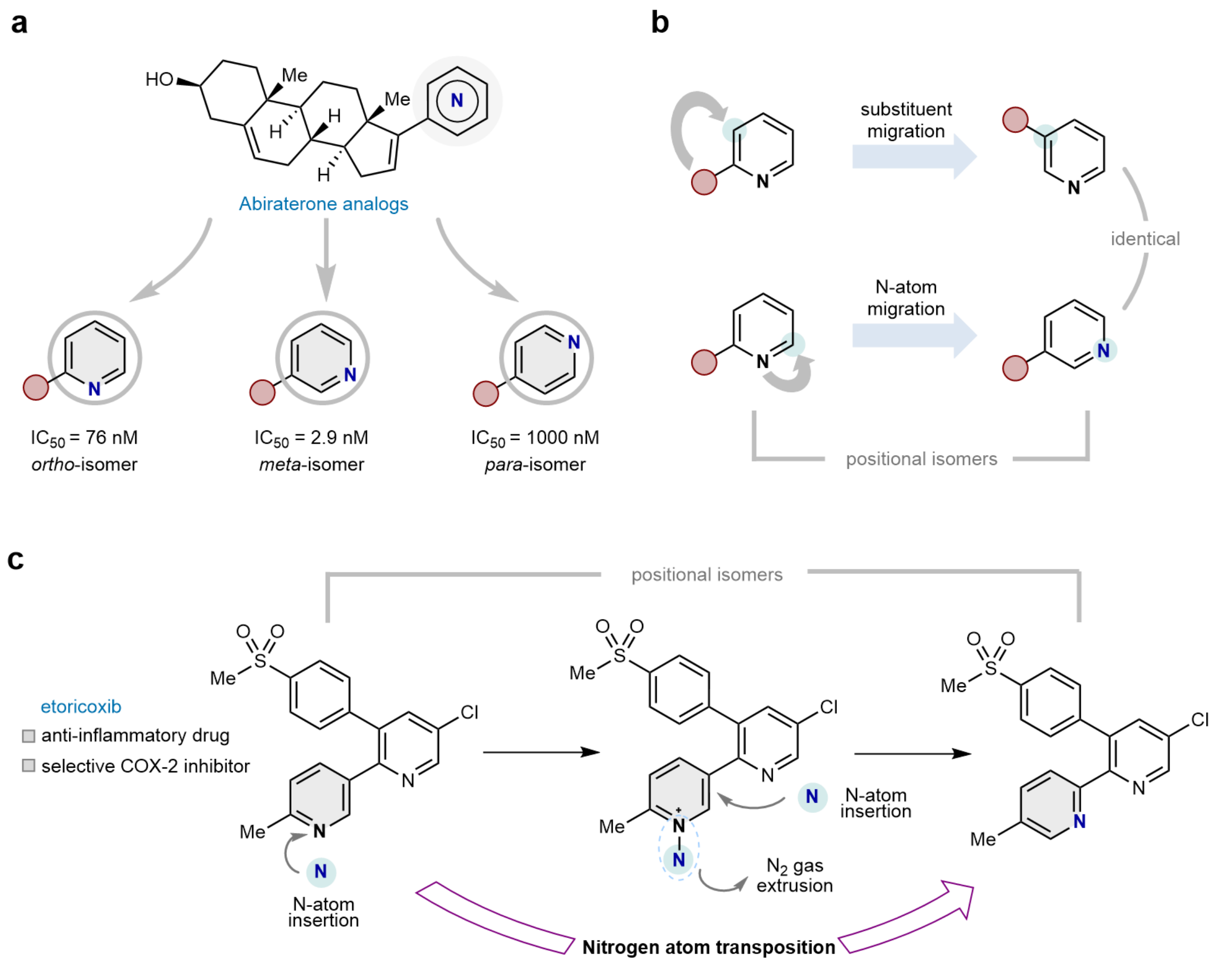
Figure 1. Positional isomerization of pyridines through nitrogen relocation
<関連情報>
- https://www.ibs.re.kr/cop/bbs/BBSMSTR_000000000738/selectBoardArticle.do?nttId=26976&pageIndex=1&searchCnd=&searchWrd=
- https://www.nature.com/articles/s41586-026-11006-4
窒素転位によるピリジンの位置異性化 Positional isomerisation of pyridine via nitrogen transposition
Wonjun Choi,Hyewon Ju,Jiyong Park & Sungwoo Hong
Nature Published:17 August 2026
DOI:https://doi.org/10.1038/s41586-026-11006-4 Early provide
Abstract
Positional isomers of pyridines often display distinct biological activities1,2 yet their direct interconversion remains largely inaccessible, so each isomer is typically prepared through an independent synthesis. Here we report a general strategy for pyridine positional isomerization enabled by controlled reorganization of the heteroaromatic core through sequential nitrogen insertion and deletion. N-atom transposition allows predictable translocation of preinstalled substituents without altering substituent identity. The method is broadly applicable to mono-, di-, and multisubstituted pyridines and operates across structurally complex molecular environments, providing direct access to positional isomers. This work establishes positional isomerization as a practical synthetic transformation, defining pyridine substitution patterns as mutable variables in retrosynthetic design.