2026-10-23 バッファロー大学(UB)

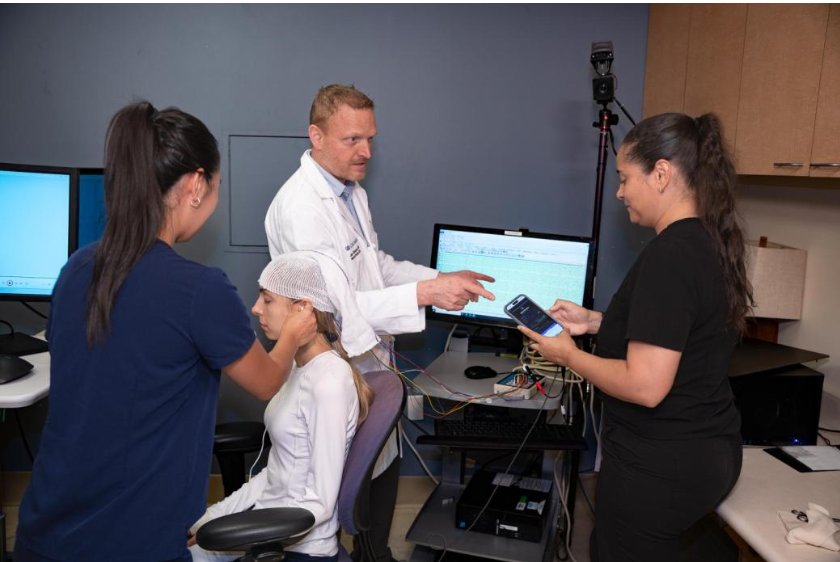
Young adults often attribute troublesome physical symptoms to stress and put off making an apppointment with a physician. Photo: Douglas Levere
<関連情報>
- https://www.buffalo.edu/news/releases/2026/10/post-docs-young-cancer-patients-study.html
- https://link.springer.com/article/10.1007/s10552-026-02231-3
「医者に相談しようとは思いもしなかった」:若年がん患者における症状評価、受診行動、診断遅延の検証 “I never thought to bring them up to the doctor”: examining symptom appraisal, help-seeking behaviors, and diagnostic delays among young adults with cancer
Natasha C. Allard, Elizabeth G. Bouchard, Jennifer S. Ford, Thomas Hugh Feeley, Denise Rokitka & Heather Orom
Cancer Causes & Control Published:22 August 2026
DOI:https://doi.org/10.1007/s10552-026-02231-3
Abstract
Purpose
Cancer incidence is rising among young adults (20–39 years), and it is one of the top five causes of death for this age group. Young adults often experience longer delays in diagnosis than children and older adults, which negatively impacts survival and quality of life. Communication interventions might help reduce these delays, but understanding the factors driving delays is crucial for developing effective strategies.
Methods
We conducted semi-structured interviews with 30 young adults diagnosed with cancer to explore factors contributing to delays across three intervals: symptom appraisal, help-seeking, and diagnostic. Interviews were conducted in January and February 2023 and analyzed using template analysis by three independent coders.
Results
Most young adults misattributed symptoms to stress, lifestyle, or minor issues, and thus delayed seeking medical evaluation. Many used online information to inform care-seeking decisions but encountered content that minimized symptom severity or offered unclear guidance. Upon seeking care, several young adults had to self-advocate for diagnostic testing after providers initially dismissed their concerns.
Conclusion
These patterns highlight potentially modifiable targets for future communication interventions. Strategies to improve young adults’ awareness of potential cancer symptoms, address misconceptions about cancer risk, and promote timely care-seeking are warranted. Efforts should also focus on improving the quality of online symptom information and equipping young adults with tools to communicate more effectively with providers. While systemic changes are also needed, individual-level communication campaigns could help shorten time to diagnosis and improve outcomes for young adults with cancer.