2026-05-16 シンガポール国立大学(NUS)
<関連情報>
- https://news.nus.edu.sg/eyes-that-photosynthesise/
- https://www.cell.com/cell/fulltext/S0092-8674(26)00469-1
哺乳類の眼の光合成のための光依存性反応の移植 Transplanting light-dependent reactions for mammalian eye photosynthesis
Kuoran Xing (邢阔然) ∙ Yan Yan (严炎) ∙ Ziyu Zhu (朱子羽) ∙ … ∙ Xiao Sun (孙晓) ∙ Juan Ye (叶娟) ∙ David Tai Leong (梁大卫)
Cell Published:May 15, 2026
DOI:https://doi.org/10.1016/j.cell.2026.04.034
Graphical abstract

Highlights
- Light-dependent reactions of the nanosized thylakoid grana are functionally preserved
- NADPH are orthogonally photosynthesized regardless of the inflammatory state of the cells
- NADPH drives antioxidant machinery intracellularly and extracellularly
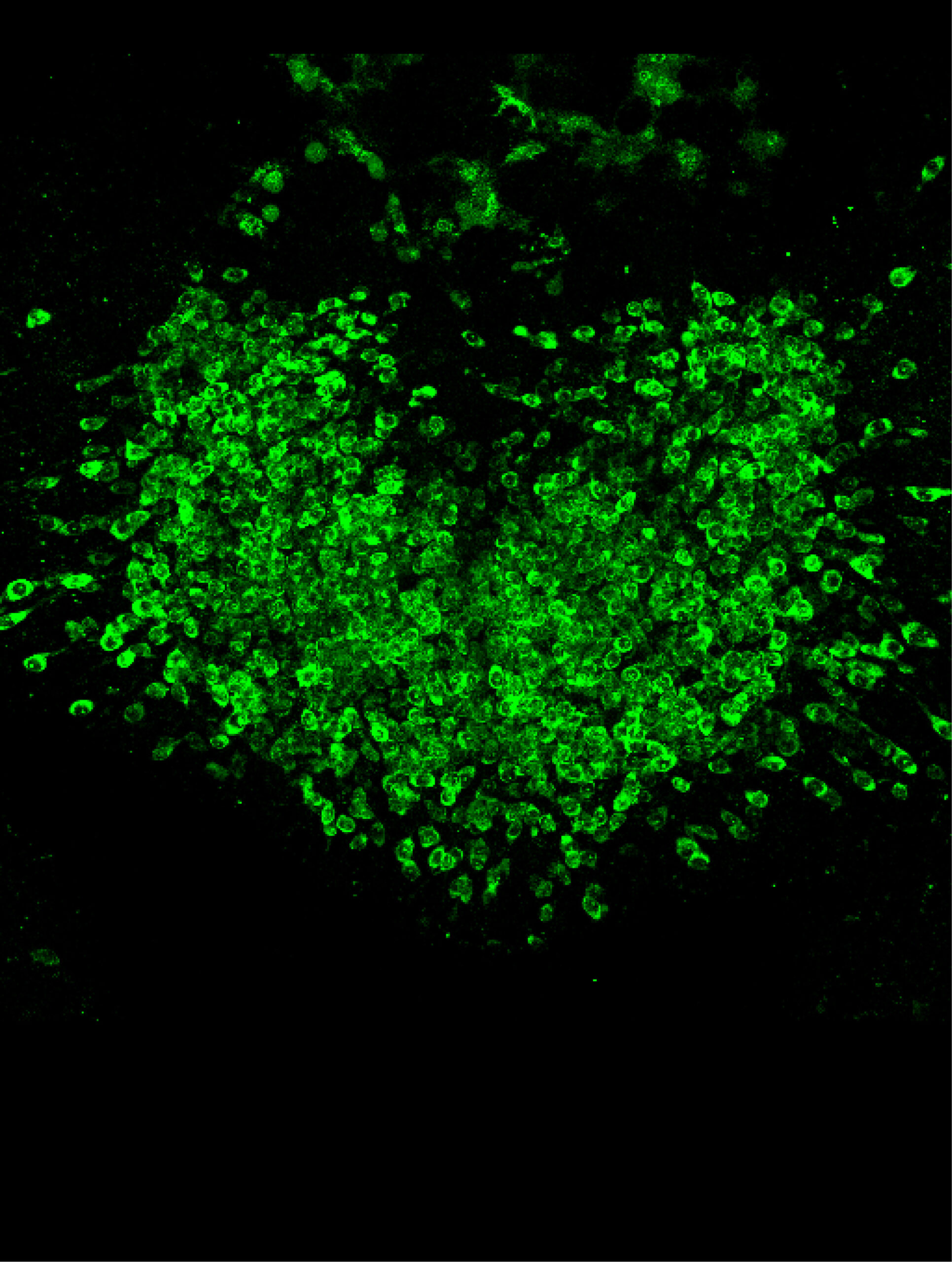
- Intracellular thylakoid grana (LEAF) behave like a temporary neo-organelle in the animal cell
Summary
Mammalian eyes are exposed to visible light but cannot perform photosynthesis. Here, we show that introducing a nanoscale, structurally and functionally preserved thylakoid system, LEAF (light-reaction enriched thylakoid NADPH-foundry), into corneal cells enables light-driven bona fide photosynthetic production of NADPH and ATP, similar to plant leaves, which alleviates oxidative stress and inflammation. LEAF acts in two domains. Intracellularly, it integrates with host cells to supply NADPH and ATP via intact photosynthetic electron transport, restoring redox balance. Extracellularly, photosynthesized NADPH enhances endogeneous antioxidant enzyme activity and reduces reactive oxygen species in the local environment. These results establish a strategy for using light as an energy input in mammalian metabolic systems and suggest a possible cross-kingdom, endosymbiosis-like interaction in which animal cells derive functional benefits from plant-derived photosynthetic neo-organelles.