2026-06-16 ワシントン州立大学(WSU)
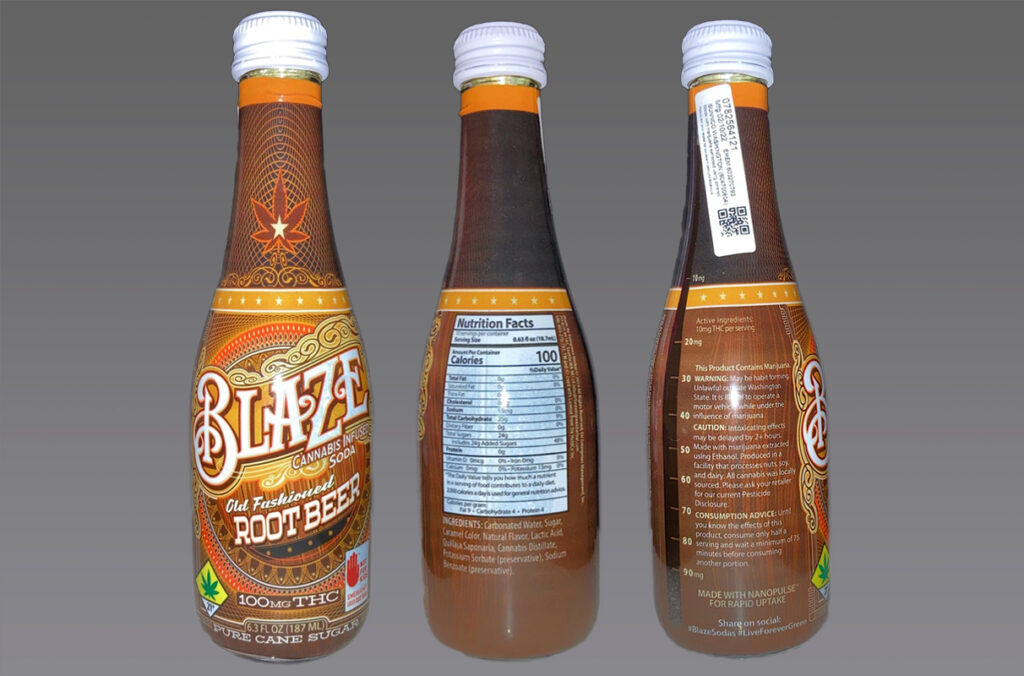
A new WSU study suggests some cannabis products may be attracting the attention of underage consumers (photo by Ron Price/WSU).
<関連情報>
- https://news.wsu.edu/press-release/2026/06/16/cannabis-branding-may-appeal-to-youth-despite-regulations-study-finds/
- https://www.sciencedirect.com/science/article/pii/S0955395926002070
単なるラベルではない:未成年者に魅力的な大麻製品パッケージの要素に関する10代の若者の認識 Not just a label: Teens’ perceptions of what elements of cannabis product packaging appeal to underage individuals
Stacey J.T. Hust, Jessica Fitts Willoughby, Ron Price, Opeyemi Victoria Johnson, Leticia Couto, CJ Janssen, Bailey Maykovich, Sarah Ross-Viles, Sarah Okey
International Journal of Drug Policy Available online: 9 June 2026
DOI:https://doi.org/10.1016/j.drugpo.2026.105355
Abstract
Background
As cannabis legalization expands, so does product marketing, raising concerns about its appeal to underage audiences. Although previous studies have focused on marketing violations or adult perceptions of cannabis products, few studies have examined how teens perceive cannabis packaging.
Methods
The current study identifies specific packaging elements in cannabis-infused products (i.e., food and drink edibles) that teens and young adults perceive will appeal to minors through a method that maps visual attention and interest. In 2023, we fielded an online survey of 149 teens (ages 13–17) and 305 young adults (ages 18–20) in Washington state in which participants reviewed photos of legal cannabis product packages and identified aspects of the product packaging that they perceived would appeal to teens.
Results
Participants were recruited via a Qualtrics panel. Across multiple edible packaging types, teens consistently identified colorful fonts, cartoonish imagery, and product photos resembling candy or snack packaging as appealing to people under age 21, although young adults and teens frequently differed in their perceptions of the characteristics’ appeal to minors. Overall, heat maps revealed concentrated attention on branding elements that mimic non-cannabis snack brands.
Conclusions
These findings suggest that marketing restrictions around additional visual design elements could be beneficial. Regulatory organizations should also consider collecting perceptions from teens to better understand their perceptions of cannabis product packaging. Policymakers and public health professionals should consider these visual triggers when developing regulations and youth prevention strategies.