2026-08-20 ロックフェラー大学
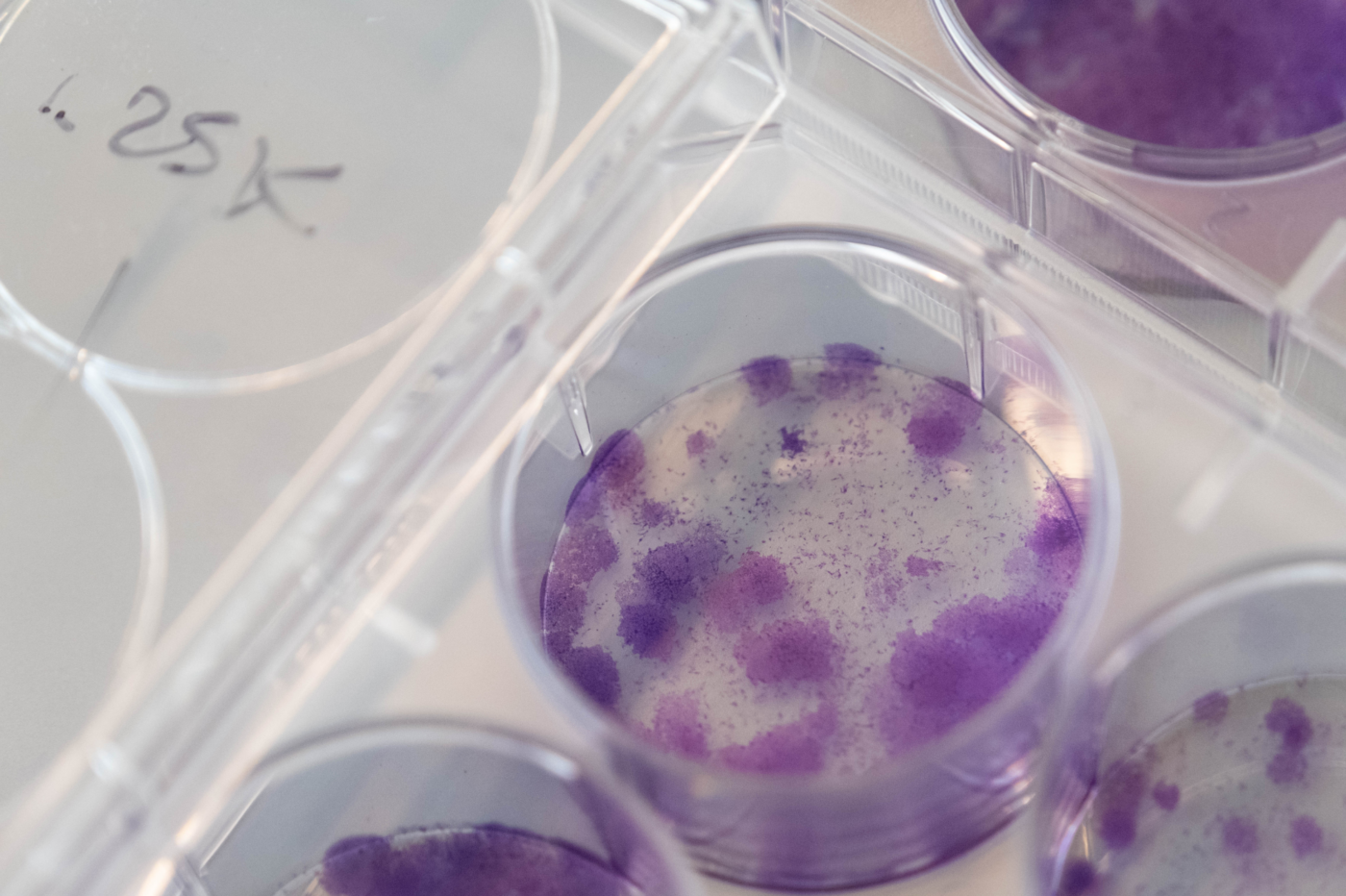
Researchers show how the senescent state induced by sarcoma and breast cancer drugs drives inflammation.
<関連情報>
- https://www.rockefeller.edu/news/40361-cellular-senescence-cancer-inflammation/
- https://www.life-science-alliance.org/content/9/9/e202603790
CDK4/6阻害はNF-κB活性化の遅延を介して老化関連分泌表現型を誘導する CDK4/6 inhibition induces a senescence-associated secretory phenotype via delayed NF-κB activation
Joanna Lan-Hing Yeung, Justin Rendleman, Lauren Anderson Westcott, Arnold Ou, Matthew Pressler, Nicole Pagane, Duba, Hosuru, Bat-Ider Tumenbayar, Viviana I Risca
Life Science Alliance Published: 9 July 2026
DOI: 10.26508/lsa.202603790
Abstract
Cellular senescence consists of regulated phenotypes associated with permanent exit from the cell cycle in response to stressors such as genomic instability. The consequences of senescence go beyond individual cells because of the senescence-associated secretory phenotype (SASP), which can induce inflammation in neighboring cells. Some cancers respond to CDK4/6 inhibitors (CDK4/6i) with a senescence-like phenotype in the absence of extensive DNA damage. We asked how the SASP and the transcriptional regulatory profile triggered by CDK4/6i-driven arrest compare with the canonical NF-κB–regulated SASP triggered by DNA damage. We profiled the dynamics of transcriptional regulation in response to the CDK4/6i, palbociclib, and the DNA-damaging agent, doxorubicin. We found that up-regulation of NF-κB–driven SASP genes was shared across both drugs, although delayed in CDK4/6i, coinciding with slower enhancer activation and epigenetic changes. ATM/ATR inhibition did not affect CDK4/6i-induced NF-κB nuclear localization, suggesting an alternative upstream activator. Inhibiting NF-κB suppressed the expression of SASP genes without reversing stable arrest, pointing to SASP manipulation as a potential therapeutic strategy and providing insights into controversies regarding cell cycle arrest–driven SASP.