2026-11-13 ラトガース大学
<関連情報>
- https://www.rutgers.edu/news/microbe-made-molecule-linked-aging-reverses-gut-damage-mice-and-flies
- https://www.science.org/doi/10.1126/sciadv.aef2882
(アミド)N-メチルニコチンアミドは、腸内細菌由来のNAD⁺前駆体として腸管幹細胞の再生を促進する
The (amide-)N-methylnicotinamide is a microbe-derived NAD+ precursor that drives gut stem cell renewal
Jiangmeng Han, Jayson M. Antonio, Jagannatham Naidu Bhupana, Garam Choi, Jiaxing Yang, Eric N. Chiles, Yan Tong, Rajmohamed Mohamed Asik, Hung-Ting Wu, Dahui Wang, Vik Meadows, Nicolas Lapaque, Jean-Pierre Etchegaray, Rafał Filip, Ta-Chiang Liu, Pawel R. Kiela, Nicholas J. Bessman, Ronaldo P. Ferraris, Ching-On Wong, Xiaoyang Su, Nan Gao
Science Advances, Volume 12, Issue 45, Article eaef2882(2026年11月6日公開)
DOI:https://doi.org/10.1126/sciadv.aef2882

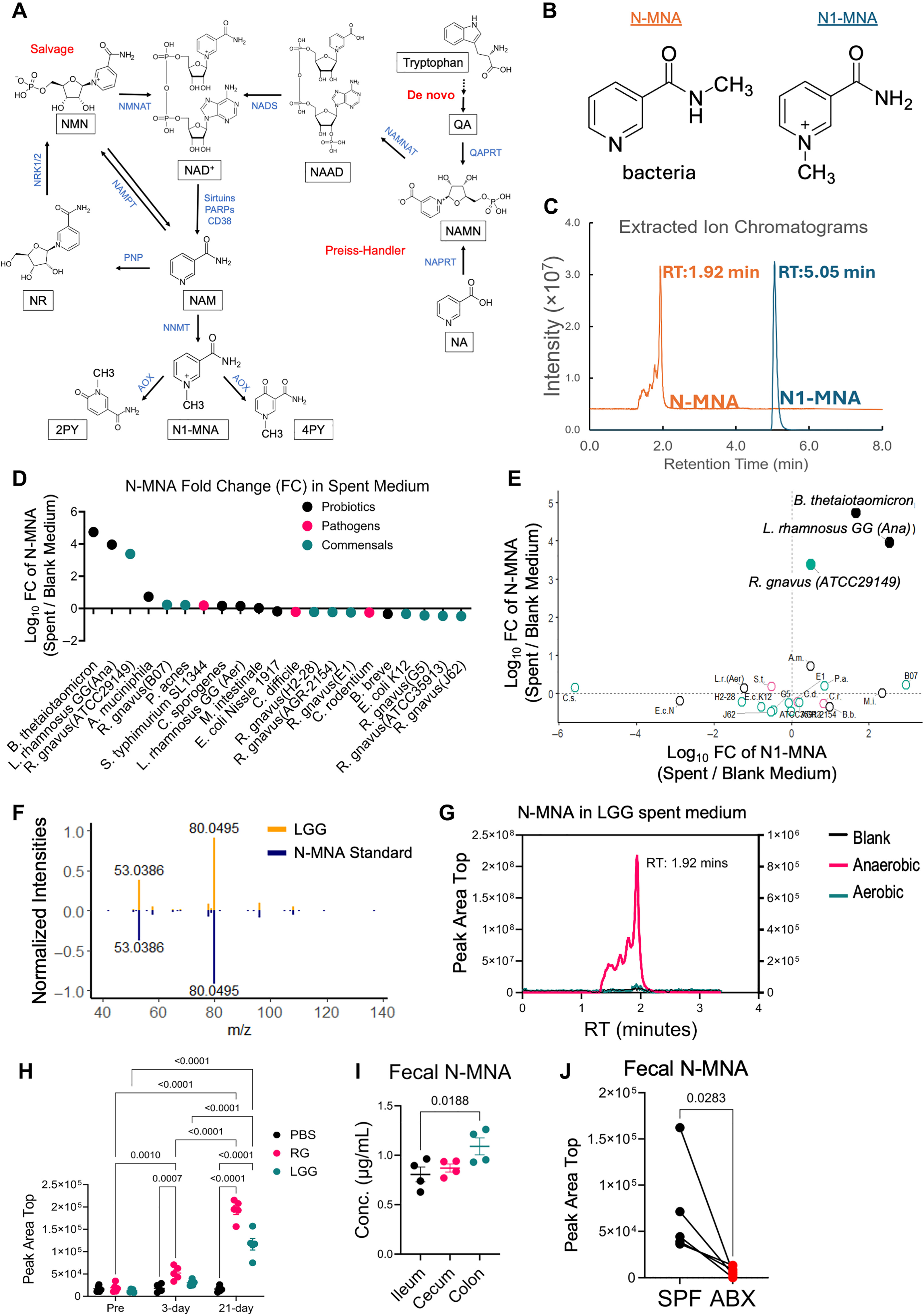
Fig. 1. N-MNA is produced by specific commensal bacterial species.© 2026 The Authors. Exclusive licensee American Association for the Advancement of Science.Creative Commons CC BY 4.0
腸内細菌が産生する新しいNAD⁺前駆体が、腸管幹細胞の再生と腸上皮の修復を促進することが明らかになった。NAD⁺は細胞のエネルギー代謝や酸化還元反応に不可欠な補酵素であり、その減少は慢性疾患や炎症との関連が指摘されている。本研究では、一部の共生腸内細菌やプロバイオティクス細菌が、(アミド)N-メチルニコチンアミド(N-MNA)を産生することを発見した。腸内細菌叢の乱れや腸管炎症を持つ人では、便中のN-MNA濃度が低下していた。安定同位体トレーサー解析では、N-MNAがショウジョウバエ、マウス、ヒトの腸上皮細胞などに速やかに取り込まれ、NAD⁺の代謝に利用されることが確認された。また、N-MNAは従来知られているニコチンアミドのサルベージ経路とは独立したPreiss-Handler経路を介してNAD⁺に変換されることが示された。マウスの大腸炎モデルでは、N-MNAの投与によって腸管幹細胞の再生が促進され、腸上皮の損傷や炎症が改善した。ショウジョウバエでも腸管障害後の生存率が改善し、この作用にはNAD⁺依存性酵素SIRT1が関与していた。さらに、炎症性腸疾患患者54人と健常者20人の便検体を調べたところ、N-MNA濃度が低い患者ほど腸管炎症マーカーであるカルプロテクチンが高い傾向を示した。本研究は、腸内細菌が産生する代謝物が宿主のNAD⁺代謝を支え、組織修復能力を高める新たな仕組みを示している。ただし、腸管修復効果は主に動物実験で確認されたものであり、ヒト患者へのN-MNA投与による治療効果は検証されていない。今後、ヒトでの代謝経路や安全性、治療応用の可能性を明らかにする必要がある。
This study identifies a novel NAD⁺ precursor produced by gut bacteria that promotes intestinal stem cell renewal and epithelial repair. NAD⁺ is an essential coenzyme involved in cellular energy metabolism and redox reactions, and its decline has been associated with chronic and inflammatory diseases. The researchers found that certain commensal gut bacteria, including specific probiotic species, produce (amide-)N-methylnicotinamide (N-MNA). Stool N-MNA levels were reduced in individuals with gut dysbiosis and inflammation. Stable isotope tracing demonstrated that N-MNA is rapidly taken up by intestinal epithelial and non-epithelial cells in fruit flies, mice, and humans, where it is incorporated into NAD⁺ metabolism. Mechanistic analyses indicated that N-MNA is converted into NAD⁺ through the Preiss-Handler pathway, independently of the conventional nicotinamide salvage pathway. In mouse models of colitis, systemic N-MNA supplementation promoted intestinal stem cell regeneration and improved epithelial repair. N-MNA also improved survival following intestinal injury in fruit flies, with the protective effect involving the NAD⁺-consuming enzyme SIRT1. Furthermore, analysis of stool samples from 54 patients with inflammatory bowel disease and 20 healthy controls revealed an association between lower N-MNA levels and higher concentrations of calprotectin, a marker of intestinal inflammation. These findings uncover a mechanism through which gut microbial metabolites support host NAD⁺ metabolism and tissue regeneration. However, the regenerative effects were primarily demonstrated in animal models, and N-MNA has not yet been tested as a treatment in human patients. Further research is required to establish its metabolic pathways, safety, and potential therapeutic applications in humans.
原著論文:Science Advances