2026-10-30 量子科学技術研究開発機構,日本酸素株式会社
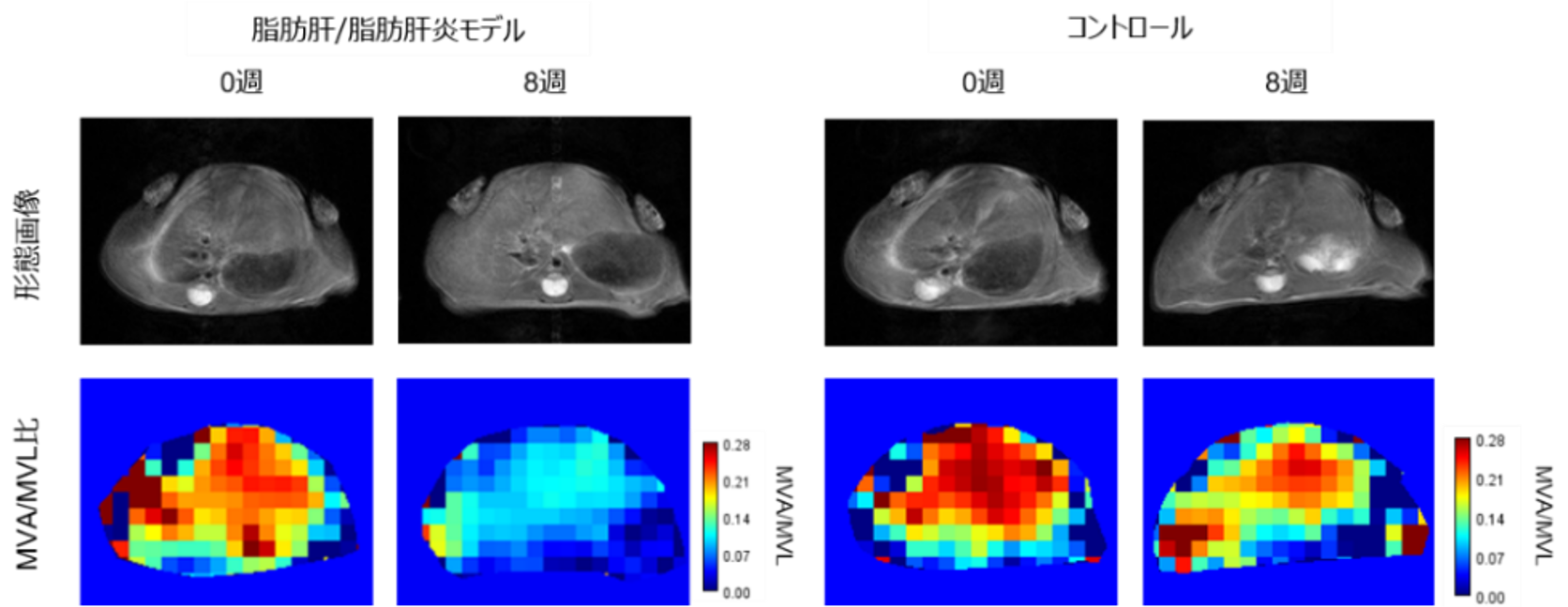
図1.本研究で開発した超偏極MRI技術の概要
<関連情報>
- https://www.qst.go.jp/site/press/20261030.html
- https://pubs.rsc.org/sd/article/doi/10.1039/D6SD00164E/1368755/A-Hyperpolarized-13C-MRI-Molecular-Probe-for-In
パラオキソナーゼ活性の生体内イメージングのための 超偏極13C MRI分子プローブ
A Hyperpolarized 13C MRI Molecular Probe for In Vivo Imaging of Paraoxonase Activity
Daichi Kaneko; Keita Saito; Ayumi Koike; Akari Ikeda; Hitomi Shikano; Shu Taira; Jun Yokoyama; Yoichi Takakusagi
Sensors & Diagnostics Published: 13 October 2026
DOI:https://doi.org/10.1039/D6SD00164E
Hyperpolarization by dynamic nuclear polarization (DNP) enables direct monitoring of metabolism in living organisms. However, its broader application remains limited by the small number of molecular probes compatible with hyperpolarized (HP) 13C NMR and MRI. Herein, we report HP [1-13C]mevalonolactone (MVL) as a molecular probe for direct imaging of paraoxonase (PON)-mediated lactone hydrolysis in vivo. HP [1-13C]MVL exhibited efficient polarization (228,000-fold enhancement) and a long longitudinal relaxation time (T1 = 52.2 ± 0.2 s at 1.5 T). Enzymatic conversion generated [1-13C]mevalonic acid (MVA), which was readily distinguished from the parent probe by chemical shift imaging (Δδ = 5.2 ppm). The probe enabled direct detection of PON-associated enzymatic activity by HP 13C NMR and MRI, and revealed robust probe conversion in the liver. Spatially resolved imaging allowed non-invasive mapping of enzymatic activity in living mice. To demonstrate biological utility, the probe was applied to mouse models of metabolic dysfunction-associated steatotic liver disease (MASLD) and metabolic dysfunction-associated steatohepatitis (MASH). In these models, the hepatic MVA/MVL ratio progressively decreased with disease progression, revealing impaired PON activity. Collectively, these results demonstrate the utility of HP [1-13C]MVL as a molecular probe for in vivo imaging of PON activity.