2026-11-04 京都大学

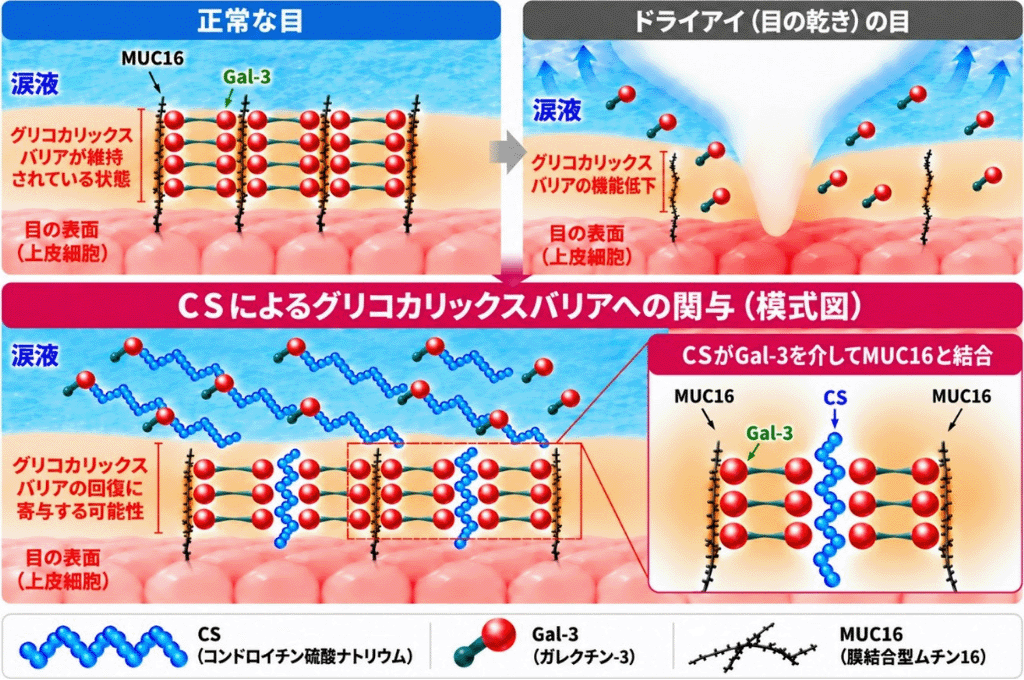
概略図:N末端ヘリックスが駆動するGαタンパク質からのGDP解離機構
©京都大学・薬学研究科・シグナル薬理学分野
<関連情報>
- https://www.kyoto-u.ac.jp/ja/research-news/2026-11-04-0
- https://www.nature.com/articles/s41589-026-02359-y
N末端ヘリックスの回転がGαタンパク質のスイッチをオンにする Rotation of the N-terminal helix triggers Gα activation
Hiroki Arai, Tatsuya Ikuta, Ryoji Kise, Manae Tatsumi, Yotaro Koizumi, Masataka Yanagawa, Daisuke Sasaki, Caesar Tawfeeq, Hidetaka S. Oshima, Wing-In Yau, Wataru Shihoya, Adnan Sljoka, Keizaburo Taninaka, Osamu Nureki, Roger K. Sunahara, Kazuhiro Mio, Yuji C. Sasaki & Asuka Inoue
Nature Chemical Biology Published:30 October 2026
DOI:https://doi.org/10.1038/s41589-026-02359-y
Abstract
Heterotrimeric G proteins, activated by G-protein-coupled receptors (GPCRs), are central mediators of cellular signaling. Activation requires GDP release from the Gα subunit, a step attributed largely to the C-terminal α5 helix, the primary GPCR-interacting region. Contributions from other Gα regions have remained unclear. Here we show that the N-terminal helix (αN) of Gαs promotes GDP release through a rotational conformational change. Diffracted X-ray tracking revealed that engagement with an active GPCR increases αN conformational displacement. Biochemical assays and molecular dynamics simulations showed that counterclockwise rotation of αN, viewed from the extracellular side, facilitates GDP release, whereas clockwise rotation does not. Mechanistically, this αN-mediated pathway acts synergistically with α5 conformational changes and propagates through the β-sheet network within the Ras homology domain to the P-loop and the αG helix. These findings identify an αN-driven activation pathway and extend the mechanistic framework for GPCR-triggered G protein activation.