2026-10-06 国立遺伝学研究所
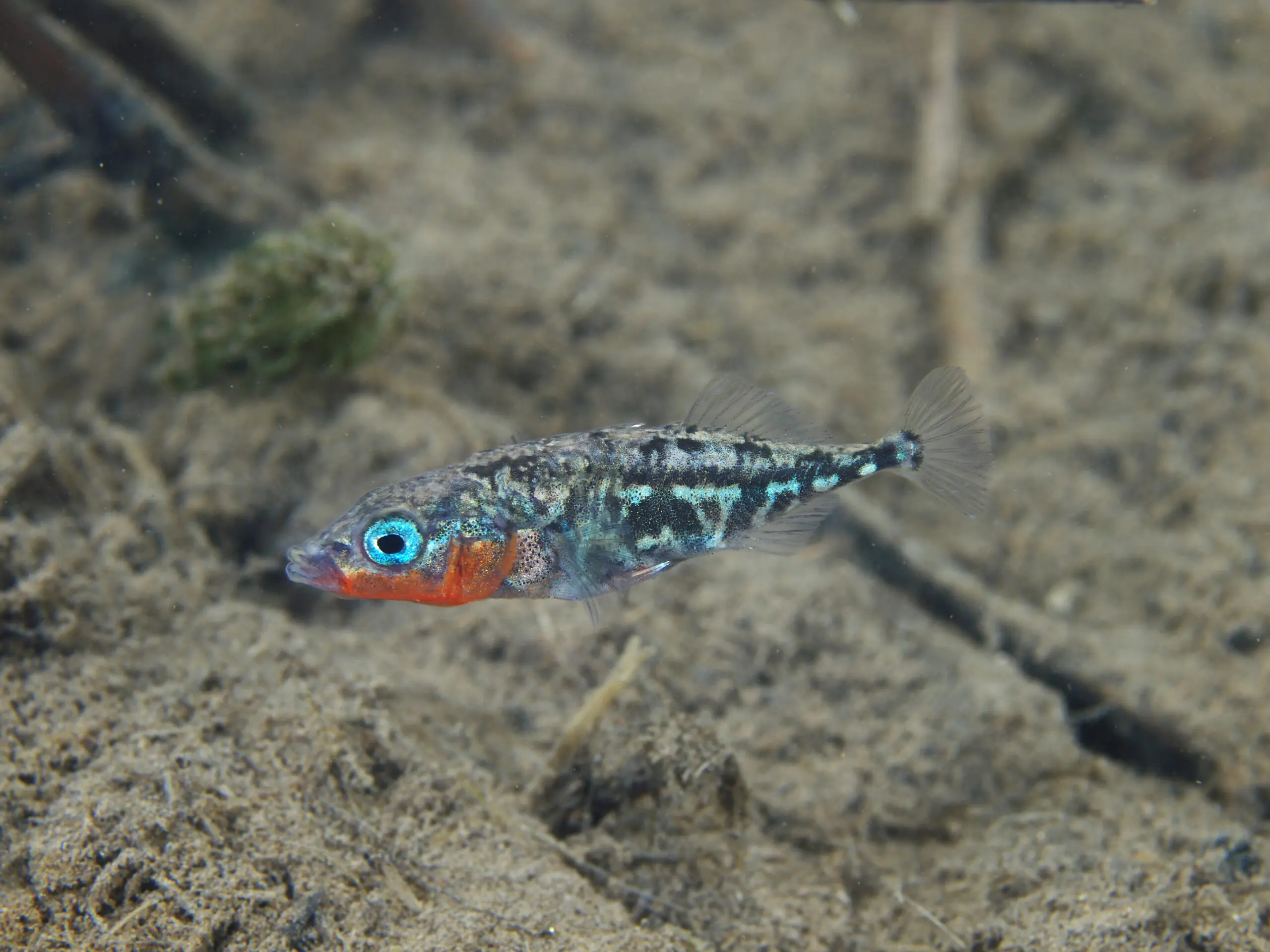
岐阜県の河川に生息するハリヨ(写真:秦康之)
<関連情報>
- https://www.nig.ac.jp/highlights/15731/
- https://bioone.org/journals/zoological-science/volume-43/issue-6/zs260013/Visceral-Fat-Deposition-and-Lipidome-Responses-to-a-Nutrient-Rich/10.2108/zs260013.full
栄養豊富な食事に対するイトヨ( Gasterosteus aculeatus)の内臓脂肪沈着と脂質代謝反応 Visceral Fat Deposition and Lipidome Responses to a Nutrient-Rich Diet in the Japanese Three-Spined Stickleback (Gasterosteus aculeatus)
Bo-Jyun Chen, Yo Y. Yamasaki, Seiichi Mori, Jun Kitano
Zoological Science Published:22 September 2026
DOI:https://doi.org/10.2108/zs260013
Abstract
Nutrient availability differs among habitats and can promote evolutionary divergence in metabolic traits. For example, freshwater habitats are typically deficient in polyunsaturated fatty acids, such as docosahexaenoic acid (DHA), and freshwater fishes often exhibit a higher capacity for DHA biosynthesis from precursor fatty acids than marine fishes. However, it remains unknown whether freshwater and marine fishes differ in the patterns of lipid deposition or in the utilization of fatty acids such as DHA. In this study, we tested whether marine and stream ecotypes of the three-spined stickleback (Gasterosteus aculeatus) have diverged in lipid deposition strategies and DHA utilization. Fish were reared under nutritionally and energetically poor or rich conditions, and body growth, visceral fat deposition, blood cholesterol levels, and whole-body lipid composition were analyzed. We found that the rich diet promoted growth in both ecotypes, but visceral fat deposition diverged with stream fish accumulating more visceral fat and marine fish showing variable responses. Blood cholesterol levels were unaffected by diet and did not differ significantly between ecotypes. Lipidomic analyses revealed that the rich diet increased the abundance of phosphatidylethanolamine and phosphatidylserine, and the proportion of DHA in several lipid classes, including membrane lipids, in both ecotypes. In conclusion, stream sticklebacks tended to accumulate more visceral fat under a lipid- and energy-rich diet than marine sticklebacks, whereas lipidomic responses were largely conserved between ecotypes. These results indicate that divergence between marine and stream sticklebacks may primarily involve differences in energy storage strategies, with less pronounced divergence in core lipid metabolic pathways.